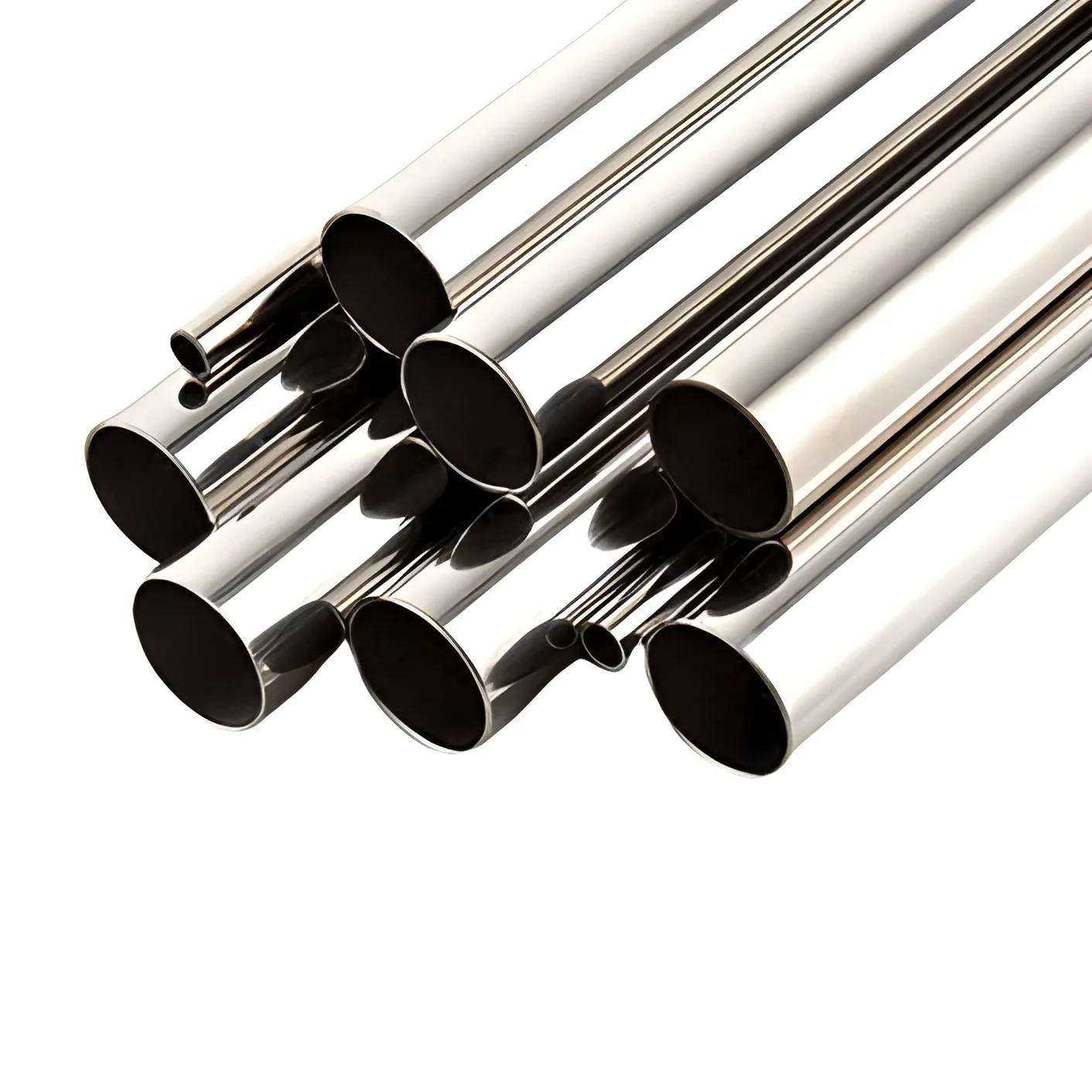
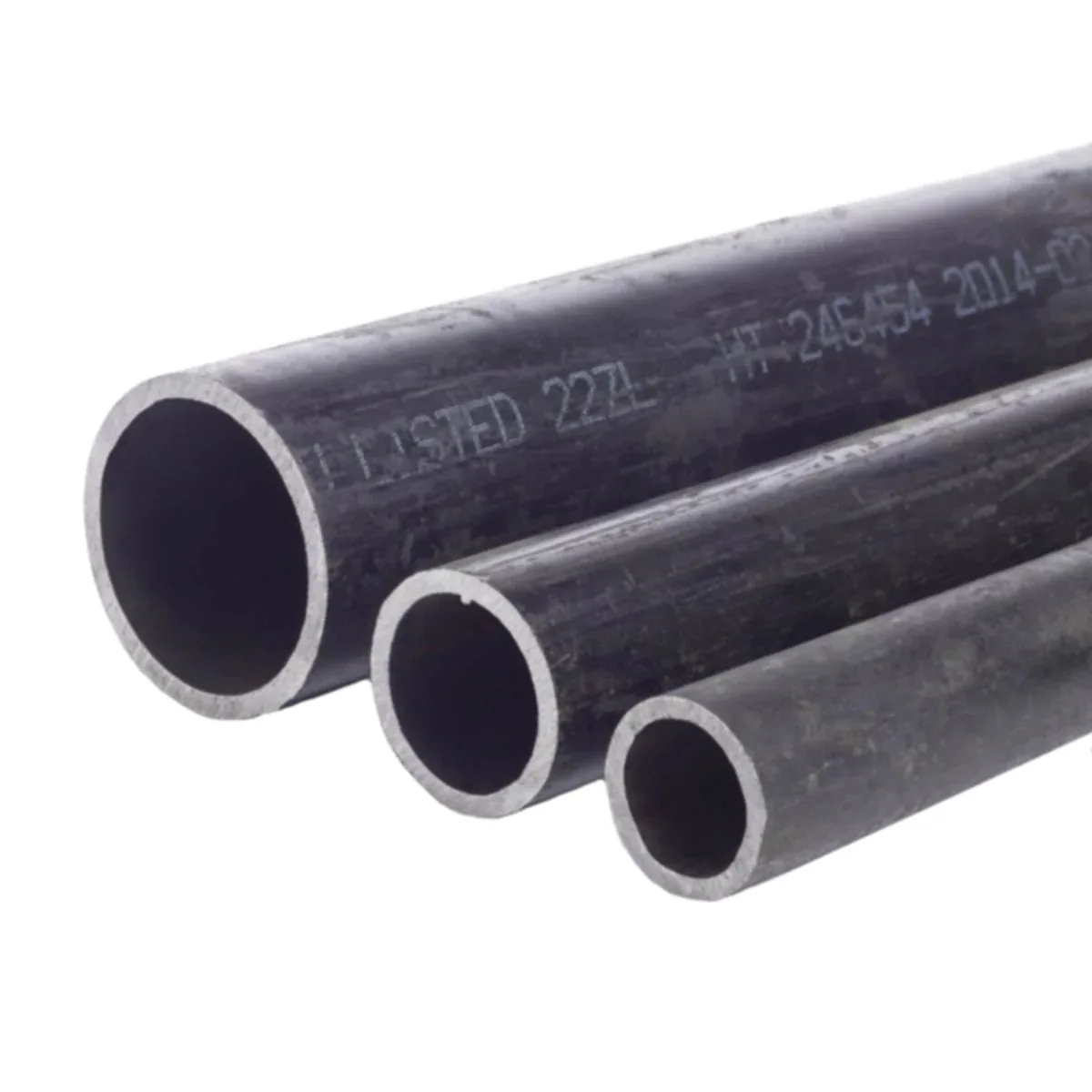
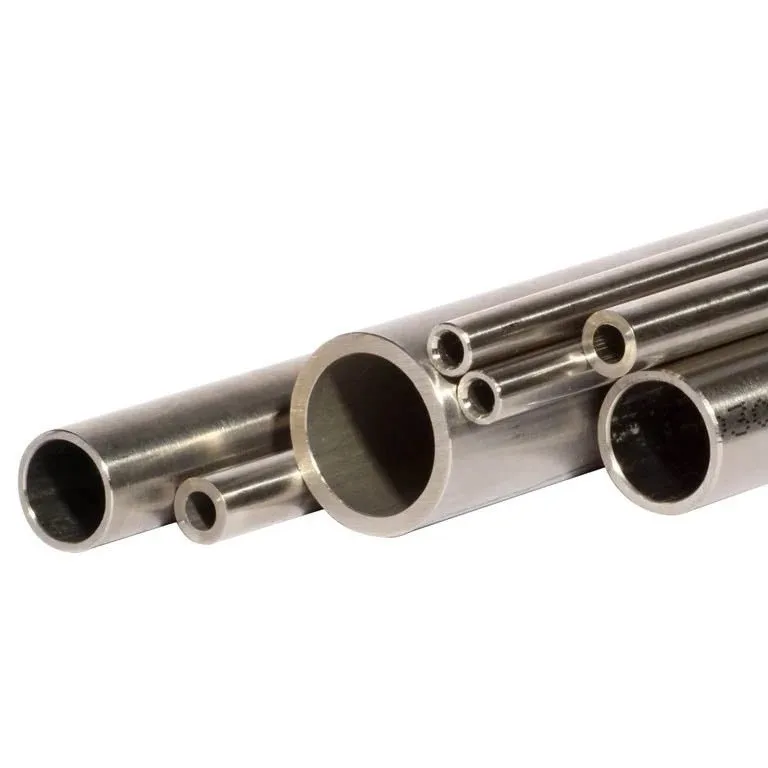
Description
Stainless pipe and tube are two different products with two different ordering systems, and mixing them up is the most common error on an enquiry. Pipe is designated by nominal pipe size and a schedule number: the outside diameter is fixed by the NPS and the wall thickness by the schedule, and for stainless the schedules are 5S, 10S, 40S and 80S to ASME B36.19M. Tube is designated by its actual outside diameter and wall thickness. ASME B36.10M puts the distinction plainly - the word pipe applies to tubular products of dimensions commonly used for pipeline and piping systems, while tube outside diameters are the measured figures.
The usual pipe specification is ASTM A312/A312M, which covers seamless, straight-seam welded and heavily cold worked welded austenitic stainless pipe for high-temperature and general corrosive service, in grades including TP304, TP304L, TP316, TP316H, TP321, TP321H and TP347. The usual tubing specification is ASTM A269/A269M, for seamless and welded austenitic tubing for general corrosion-resisting and low- or high-temperature service, supplied heat treated. European projects normally call for EN 10216-5 for seamless and EN 10217-7 for welded stainless tubes for pressure purposes instead.
Neither the material specification nor the dimensional standard fixes a working pressure. Allowable pressure follows from the grade, the wall thickness and the design temperature, and is settled by the piping design code for the job, not by the pipe standard.
State on enquiry: specification, grade, seamless or welded, NPS and schedule for pipe or outside diameter and wall for tube, length, end finish (plain end, bevelled or threaded), surface finish, and whether a material test certificate to EN 10204 3.1 is required.