Description
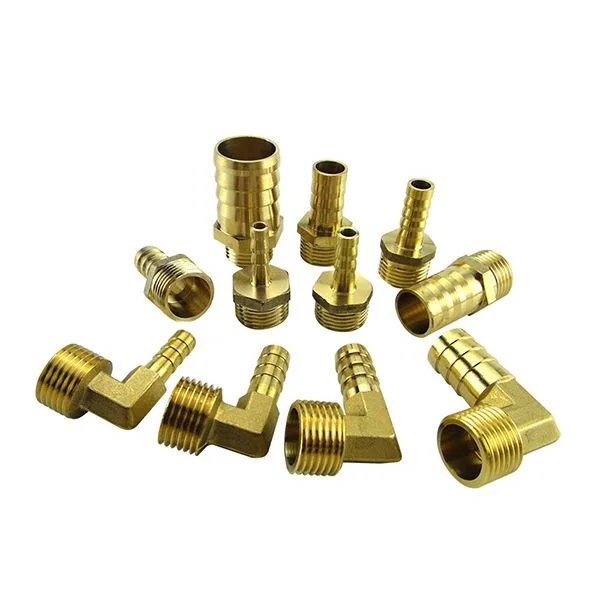
A hose tail is a barbed spigot with a threaded end. The barbs hold the hose against pull-out; the clamp behind them provides the radial squeeze that makes the joint tight. The barb on its own is not a pressure-tight joint, which is why a tail is always ordered together with a clamp - a worm drive clip to DIN 3017-1 or SAE J1508, or an ear clamp.
The barb is selected to the inside diameter of the hose, and hose bores and their tolerances are set by ISO 1307. A tail one size out will either not enter the hose or will not grip it. Thread form is the second half of the order: BSPP parallel to ISO 228-1, BSPT taper to ISO 7-1 and NPT to ASME B1.20.1 are three different forms, and a parallel male in a taper female will screw home and still weep.
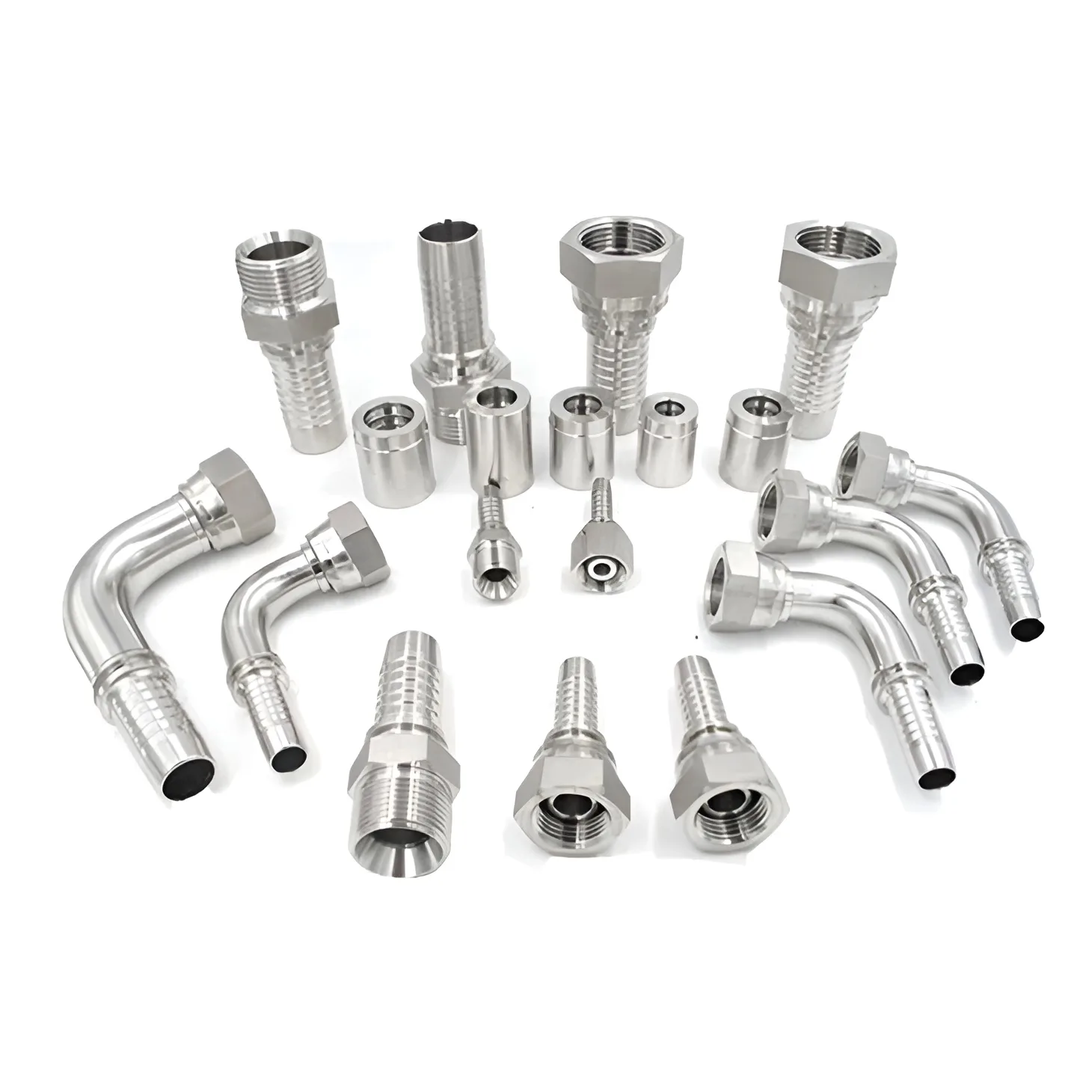
These are low-pressure fittings for air, water and fluid transfer. They are not hydraulic hose ends: a hydraulic assembly uses a crimped fitting to the ISO 12151 series, where the ferrule is swaged onto the hose at a controlled diameter. Working pressure is set by the hose and the clamp, not by the tail. As a reference figure, one supplier rates DIN 3017 9 mm band clamps at a maximum medium pressure of 45 bar in the 8 to 16 mm size and 5 bar at 140 to 160 mm, and qualifies that as depending on hose type and connection shape.