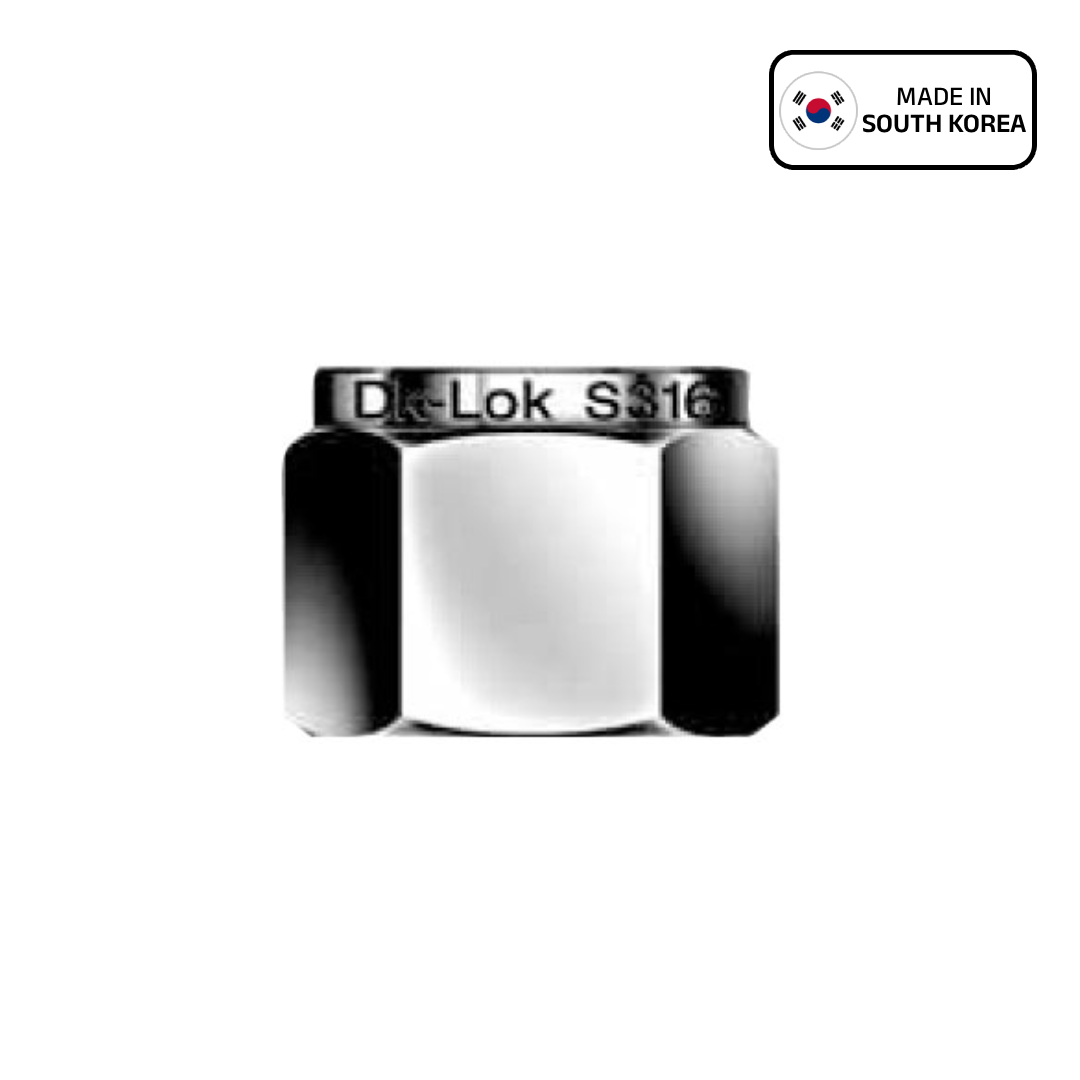
Description
A compression tube fitting makes a demountable joint on plain tubing. The nut, as it is tightened, drives one or two tapered ferrules into a matching cone in the fitting body; the ferrule contracts onto the tube outside diameter, sealing on that surface and biting into it enough to resist pull-out. Nothing is flared, welded or soldered, so a joint can be broken and remade with hand tools.
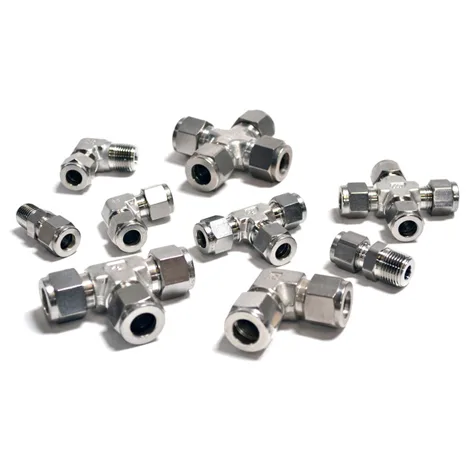
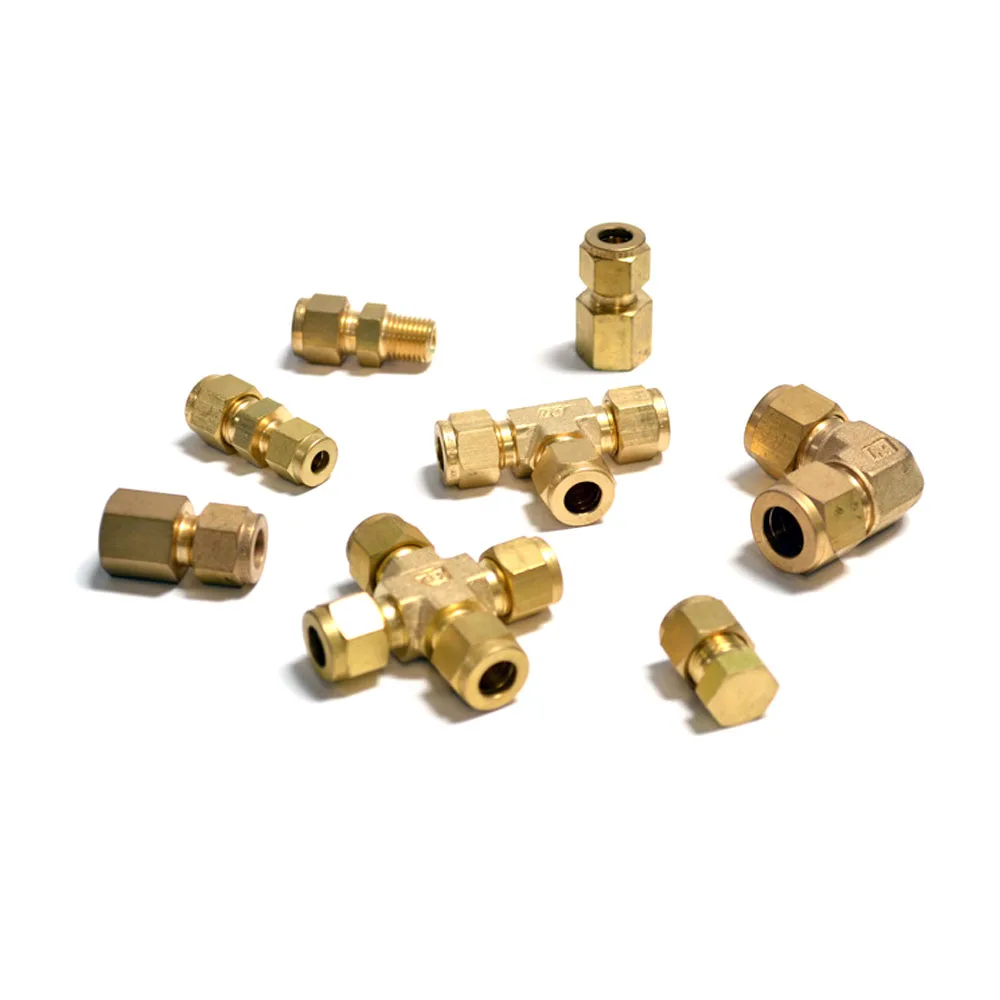
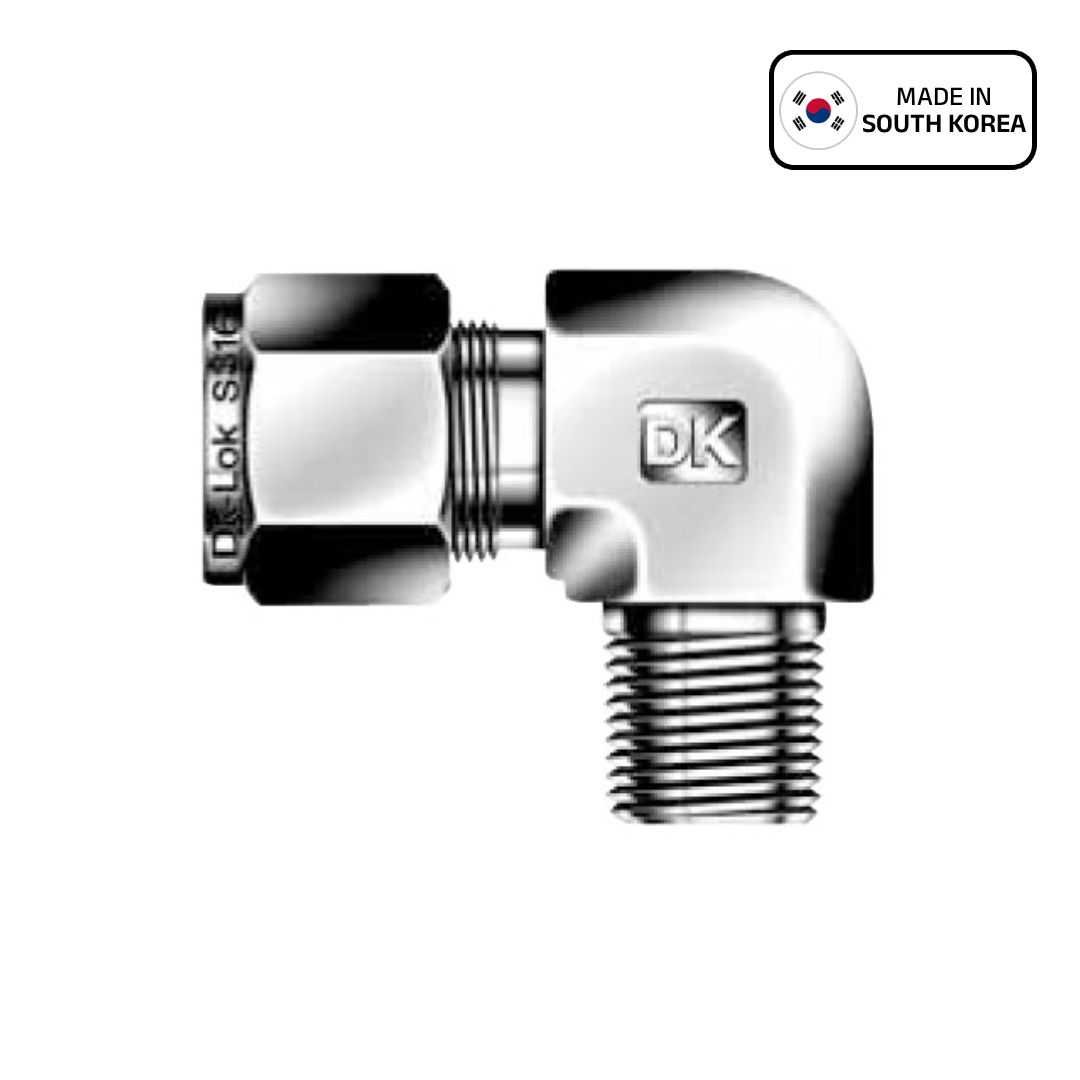
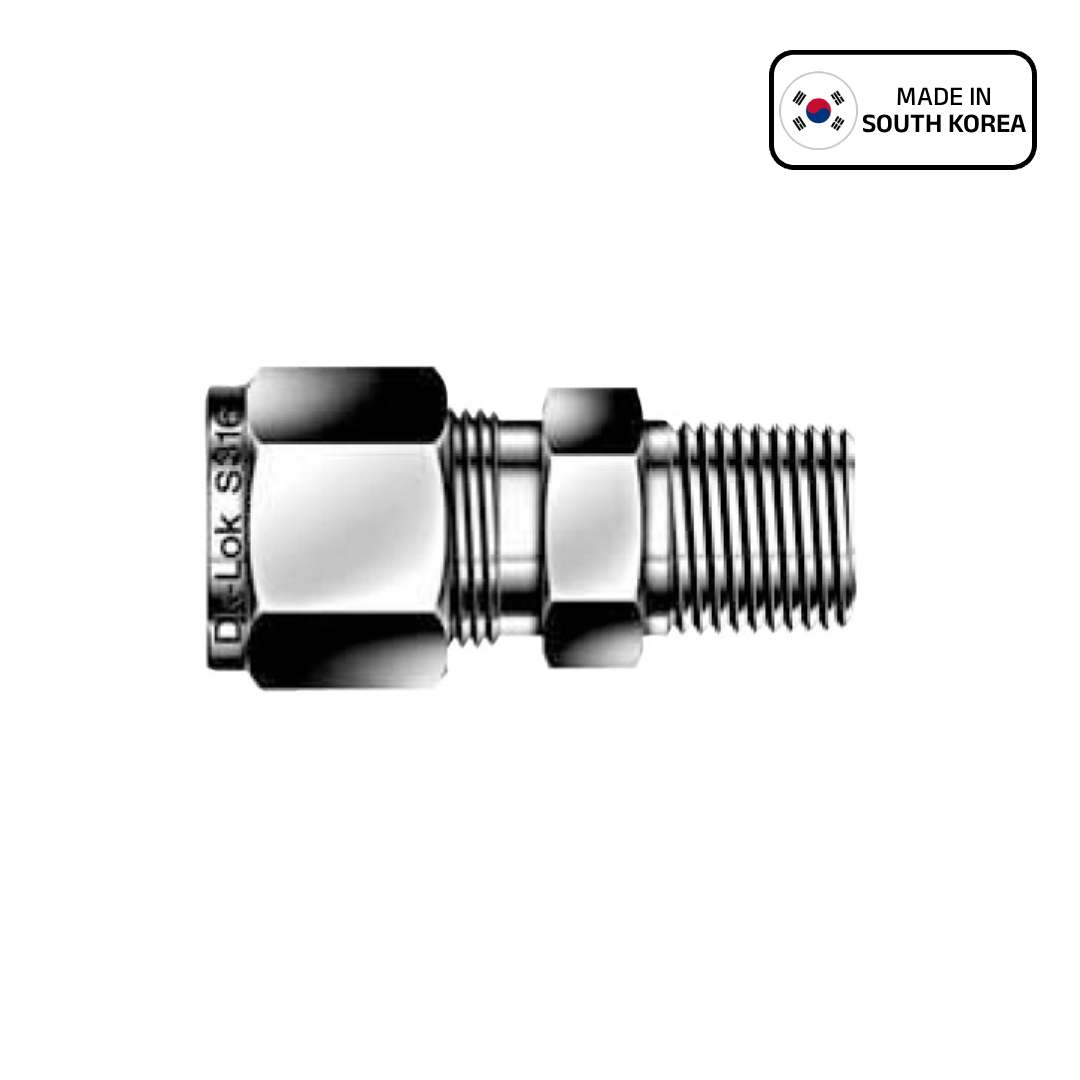
The range photographed covers straight unions, male and female connectors onto pipe thread, union elbows, union tees and union crosses - the set needed to run an instrument impulse line, a sample line or a small hydraulic pilot line from source to gauge.
Two things decide whether the joint holds. The first is the tube: the seal is made on the tube outside diameter, so the tube must be to a controlled OD, of a wall thickness the fitting is intended for, and free of scores or ovality in the ferrule seating area. Soft-drawn, annealed tube is used because the ferrule has to indent it; hard-drawn tube may not take the bite. The second is that the pressure rating of the joint belongs to the tube, not to the fitting - allowable working pressure falls as tube OD rises and rises with wall thickness, so no single pressure figure describes a range of sizes.
When ordering, state the tube outside diameter and wall thickness, whether the sizes are inch or metric (the two are not interchangeable and a metric ferrule will not seal an inch tube), the configuration, the thread form and size of any pipe-thread end, and the material grade required - 304, 316 or dual-certified 316/316L. Confirm the ferrule count and the pressure rating with the supplier; neither is marked on the fittings photographed.