Description
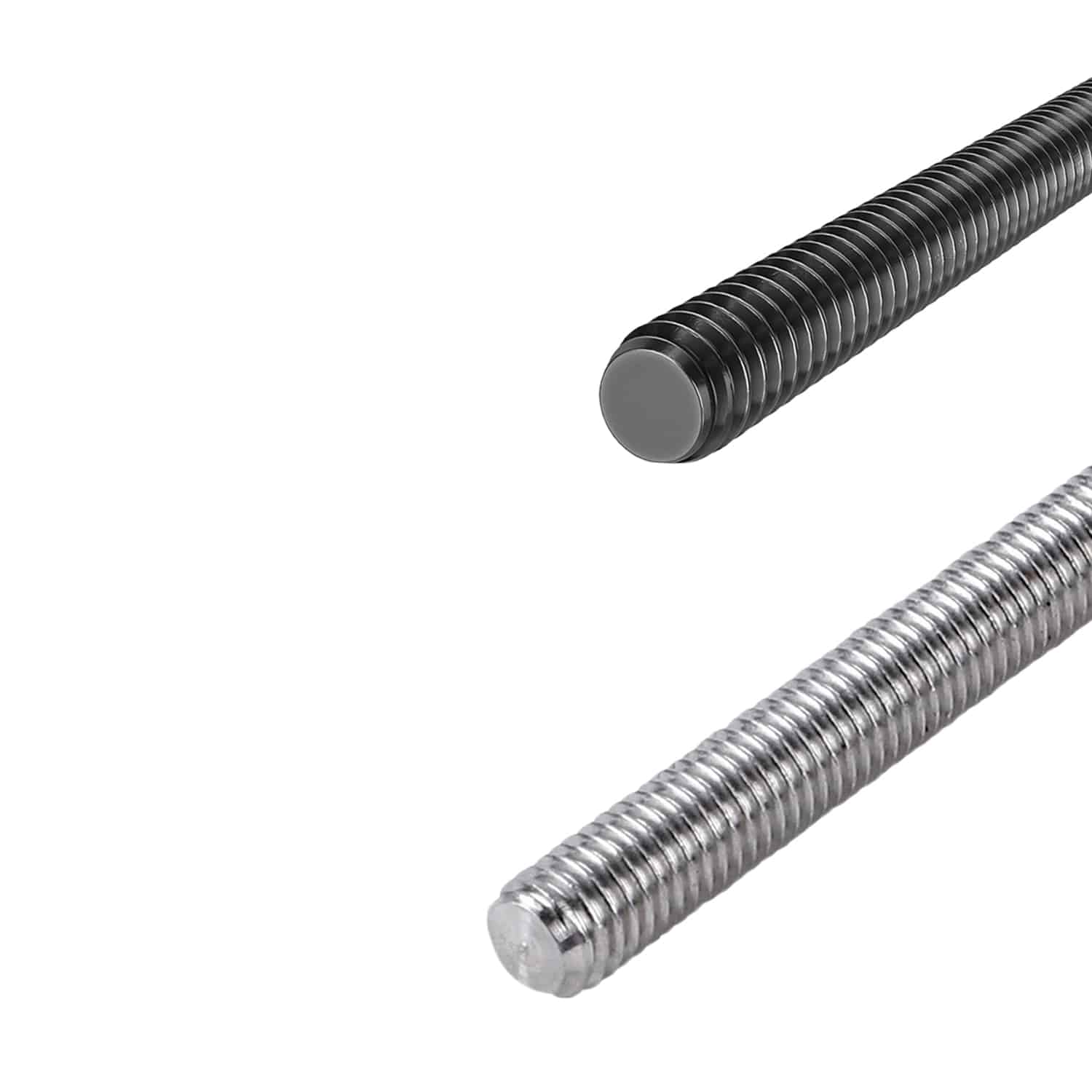
Threaded rod is bar stock threaded over its whole length, cut to the length a job needs and used with nuts and washers at each end. It is supplied here in two material families that answer two different problems: ASTM A193 Grade B7 for strength at temperature, and austenitic stainless steel to ISO 3506-1 for corrosion resistance.
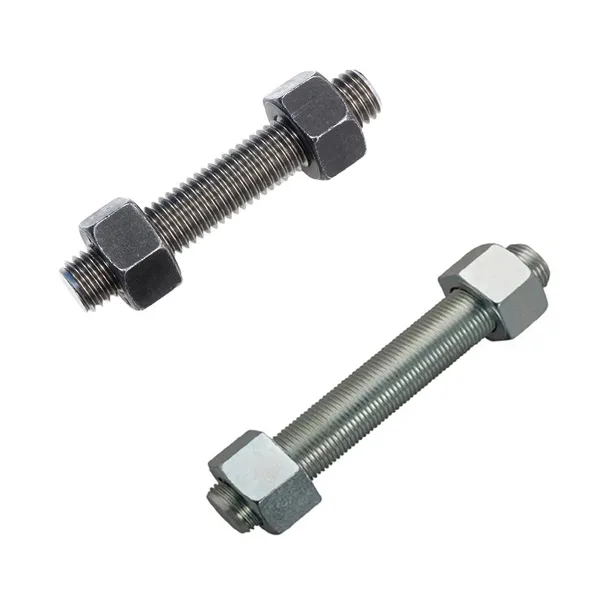
Grade B7 is a quenched and tempered chromium-molybdenum alloy steel, the same 4140/4142 family used for flange studs, with a minimum tensile strength of 860 MPa and a minimum yield of 725 MPa in diameters up to 2.1/2 in. It is the high-temperature bolting grade. It is not the low-temperature grade: ASTM A320 Grade L7 is the same steel with mandatory Charpy V-notch impact testing, and the two are not interchangeable where a code applies.
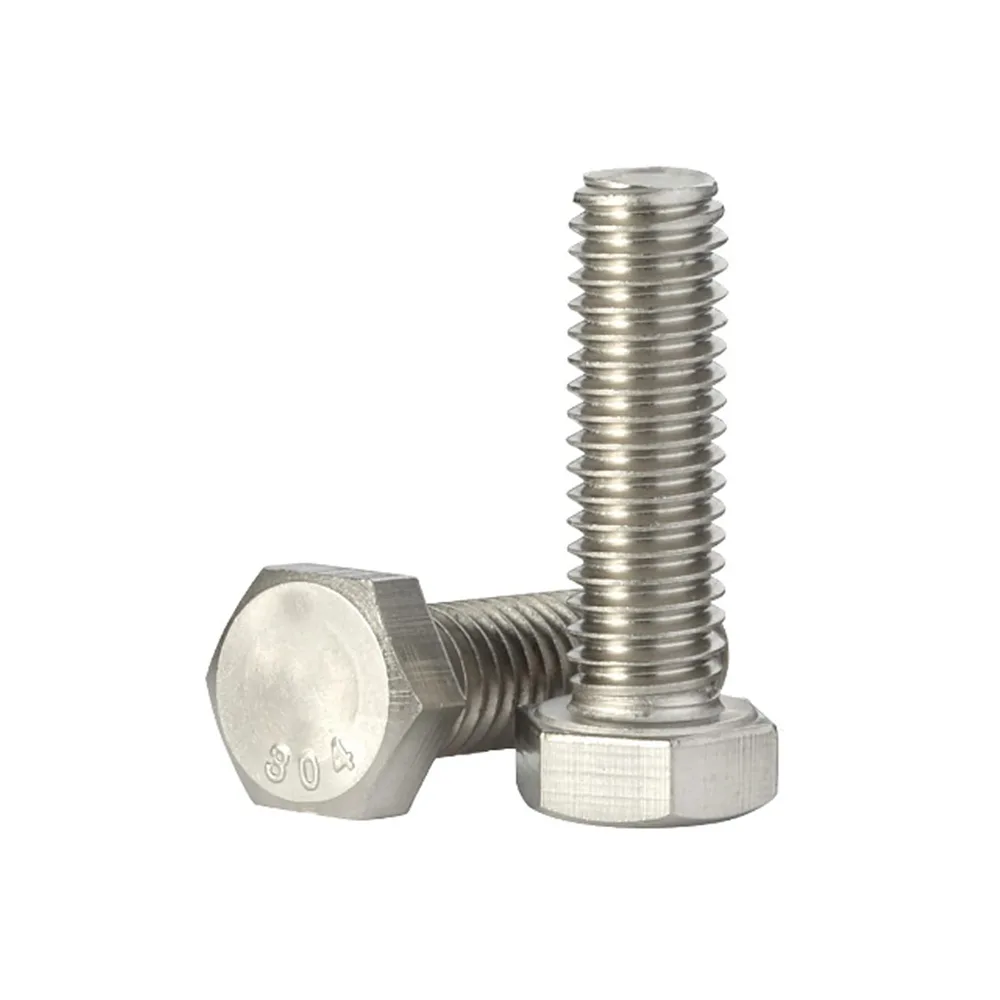
Stainless rod is specified by ISO 3506-1 grade rather than by strength alone. Grade A2 is the 304 family and carries no molybdenum requirement; grade A4 is the 316 family and must contain 2 to 3 % molybdenum, which is what resists pitting in chlorides. In Kuwait's coastal, saline air A4 is the sound default for anything outdoors or near seawater, and A2 will pit. Note also that stainless is a corrosion decision, not a strength upgrade - A4-80 has a lower minimum yield than carbon steel class 8.8.
When ordering, state diameter and thread form (UNC or 8UN for B7, metric coarse for stainless), the length or the number of metres required, the material grade, and the coating if plain carbon steel rod is wanted. Nuts and washers must be ordered to match the rod: A194 Grade 2H heavy hex nuts for B7, and matching A2 or A4 nuts for stainless rod.