Description
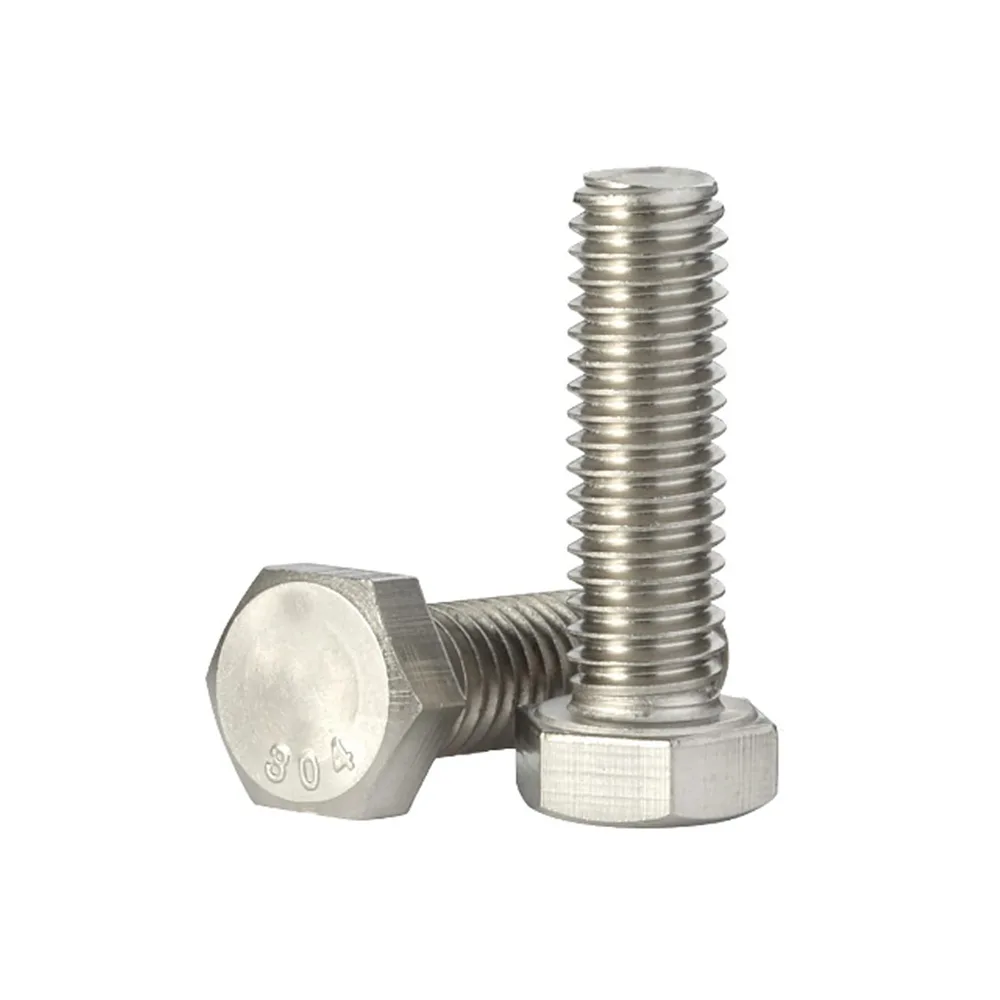
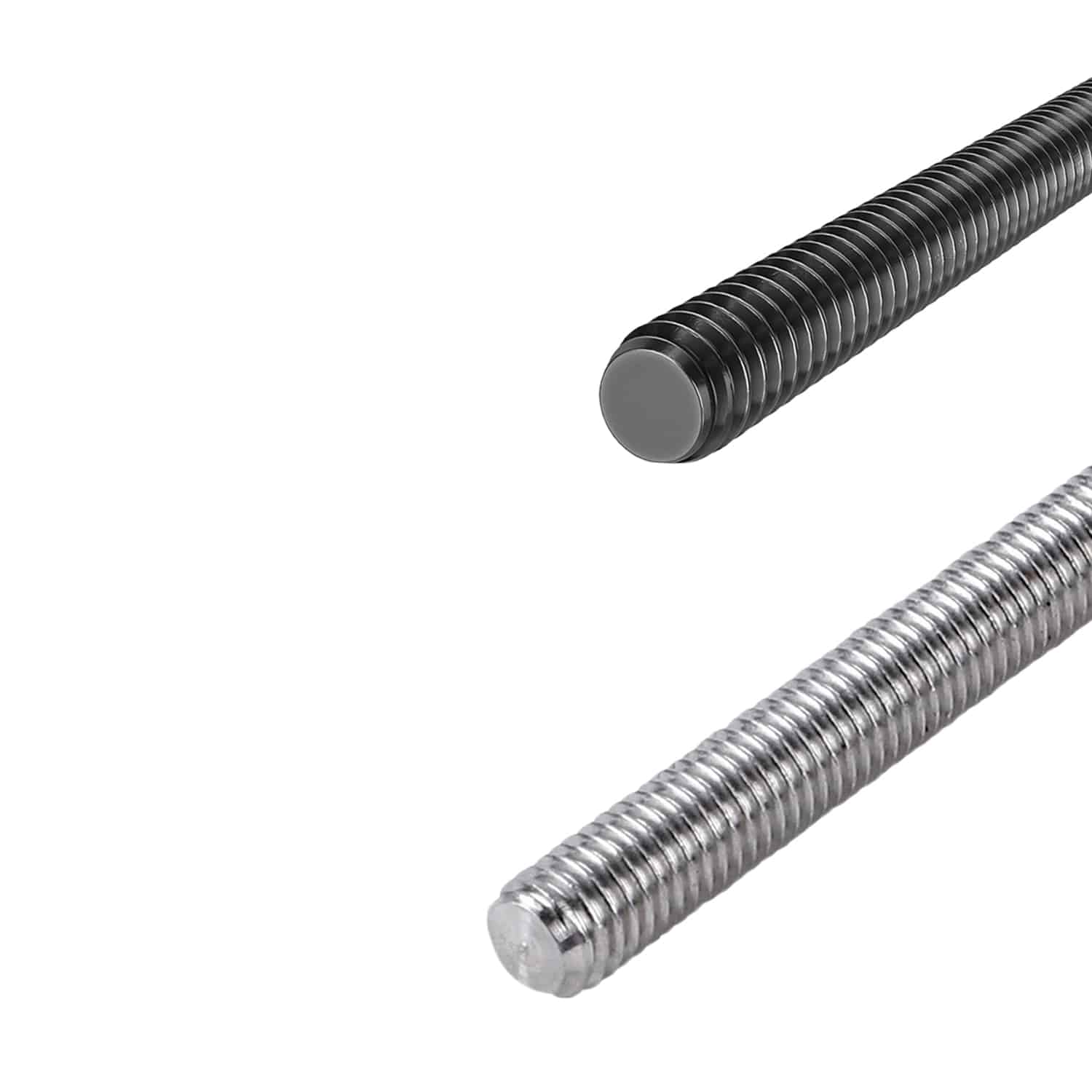
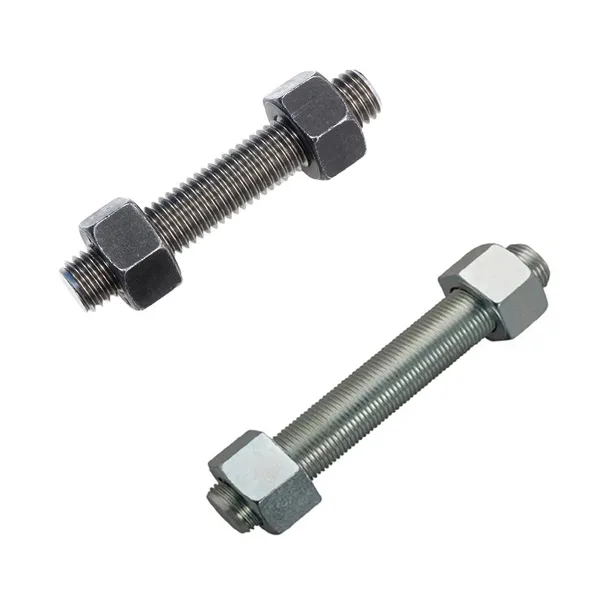
The hexagon head bolt is the general-purpose structural and mechanical fastener: a six-sided head driven by a spanner or socket, a plain or fully threaded shank, and a nut and washer to suit. ISO 4014 covers the partially threaded bolt, where an unthreaded shank carries shear across a joint; ISO 4017 covers the fully threaded screw, used where the grip length varies or where threads to the head are wanted.
Two material decisions govern the order. In carbon and alloy steel, the property class marked on the head fixes the strength: class 8.8 is 800 MPa minimum tensile and 640 MPa minimum yield for diameters up to 16 mm (830 / 660 MPa above 16 mm), class 10.9 is 1040 / 940 MPa and class 12.9 is 1220 / 1100 MPa. ISO 898-1 prints a caution against class 12.9 where the environment can cause stress corrosion cracking, and 10.9 and 12.9 must not be electroplated without a hydrogen bake-out.
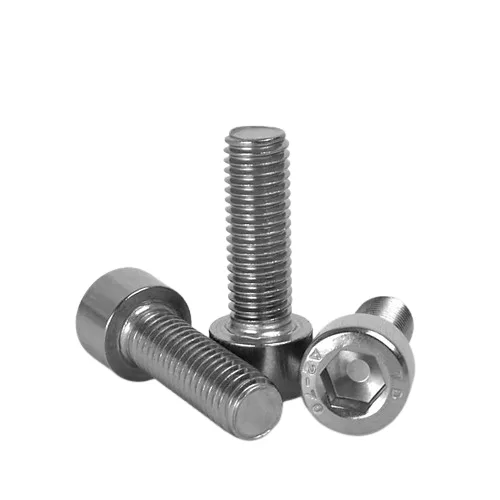
In stainless steel, ISO 3506-1 grade decides corrosion behaviour: A2 is the 304 family with no molybdenum requirement, A4 is the 316 family with 2 to 3 % molybdenum. The bolts photographed are head-marked 304, that is the A2 family. For outdoor or coastal work in Kuwait, A4 is the grade that resists chloride pitting; A2 will pit. Note that stainless is not a strength substitute - A4-80 yields at 600 MPa against 640 MPa for class 8.8.
When ordering, state thread size and length, whether partial or full thread is required, the property class or stainless grade, and the finish. If hot-dip galvanised bolts are specified, order galvanised over-tapped nuts with them - a galvanised bolt will not run into a plain nut. ISO 898-1 refers hot-dip galvanised fasteners to ISO 10684 for the additional requirements.