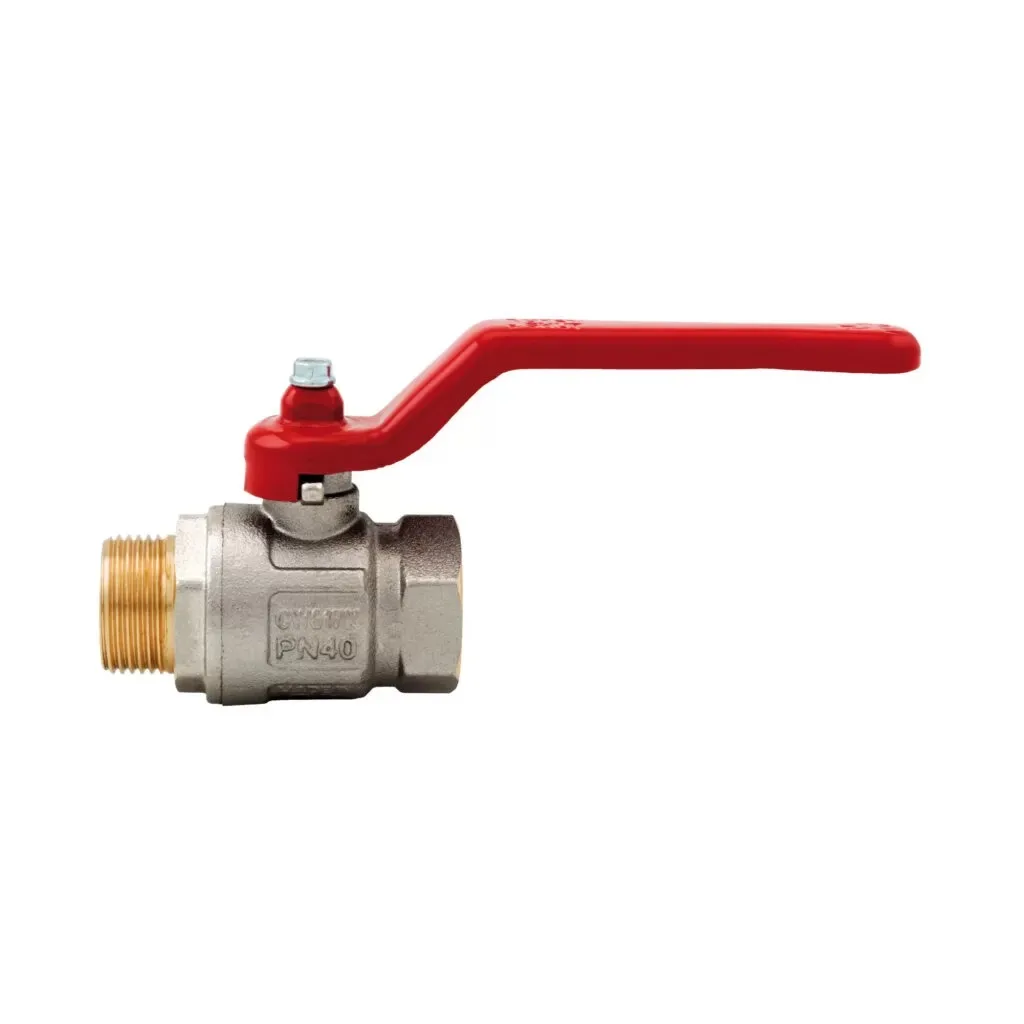
Description
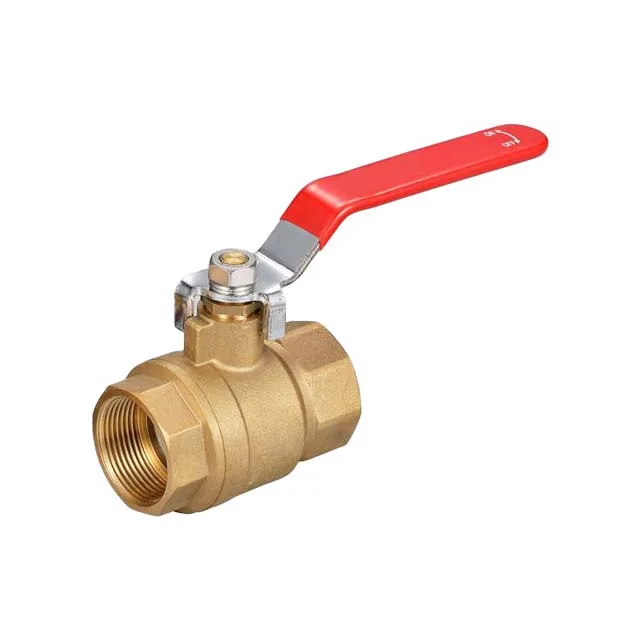
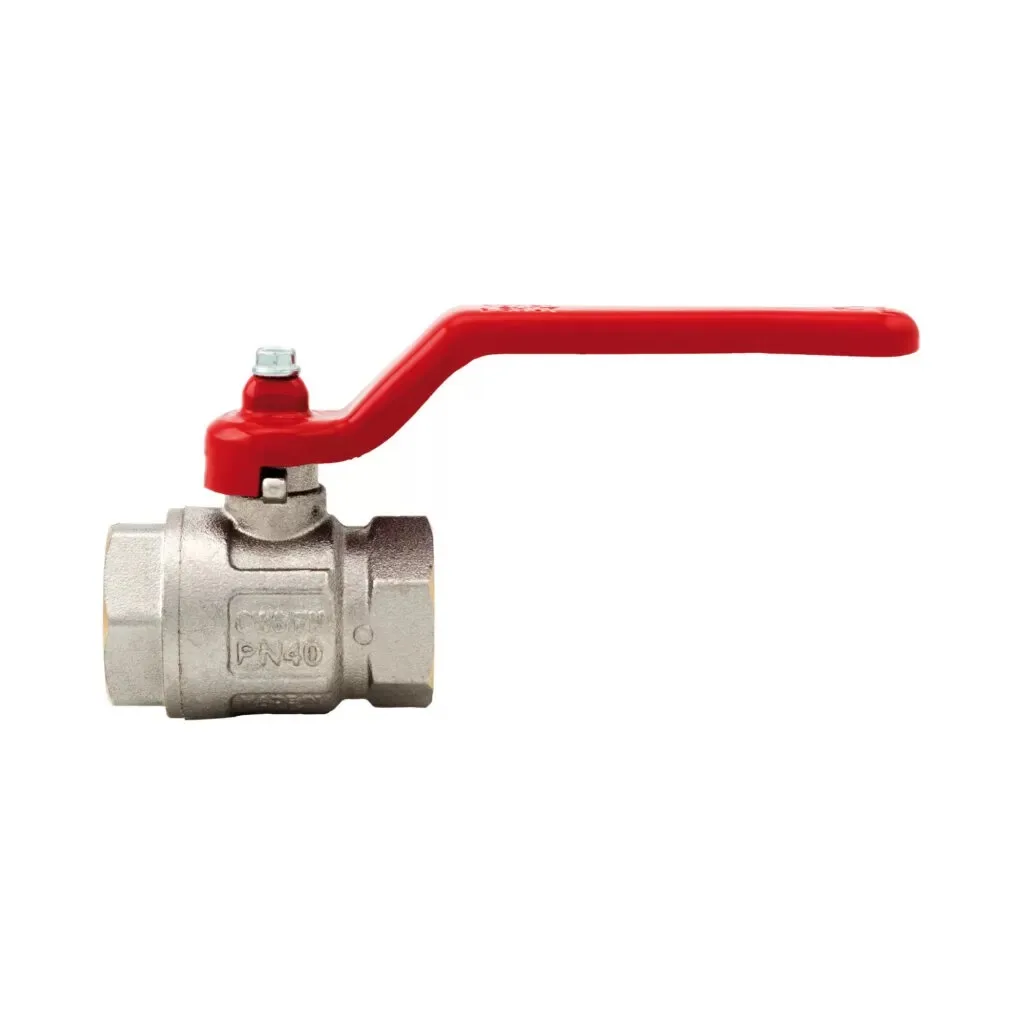
Brass ball valves are the general-purpose isolating valve of building services and light industrial pipework. A quarter turn of the lever rotates a bored ball between open and shut; there is no rising stem and no gland to pack down, and the valve gives a clear visual indication of its position from the lever alone.
Brass valve bodies are designated under the European copper-alloy standards: EN 12165 covers the hot-stamping brasses used for forged valve bodies, of which CW617N (CuZn40Pb2) is the usual grade, and EN 12164 covers the rod brasses used for machined parts such as stems, of which CW614N is the usual grade. State the grade required on order; it is cast into the body on branded valves but is not legible on the sample photographed here.
For potable water inside buildings the applicable European standard is EN 13828, which covers manually operated copper-alloy and stainless steel ball valves from DN 6 to DN 100 at PN 10 or PN 16, for distribution temperatures up to 65 °C with short excursions to 90 °C, and sets the material, mechanical, hydraulic, acoustic and marking requirements. Conformity has to be confirmed against the specific valve; it does not follow from the material.
A general-purpose brass valve is not approved to EN 331. Ball valves for that duty are approved separately to EN 331 and are supplied with a distinguishing handle colour and a lower pressure and temperature envelope. On order, state the nominal size, the thread form (ISO 7-1 tapered or ISO 228 parallel, or ASME B1.20.1 NPT), the service, and whether an EN 13828 or EN 331 valve is required.