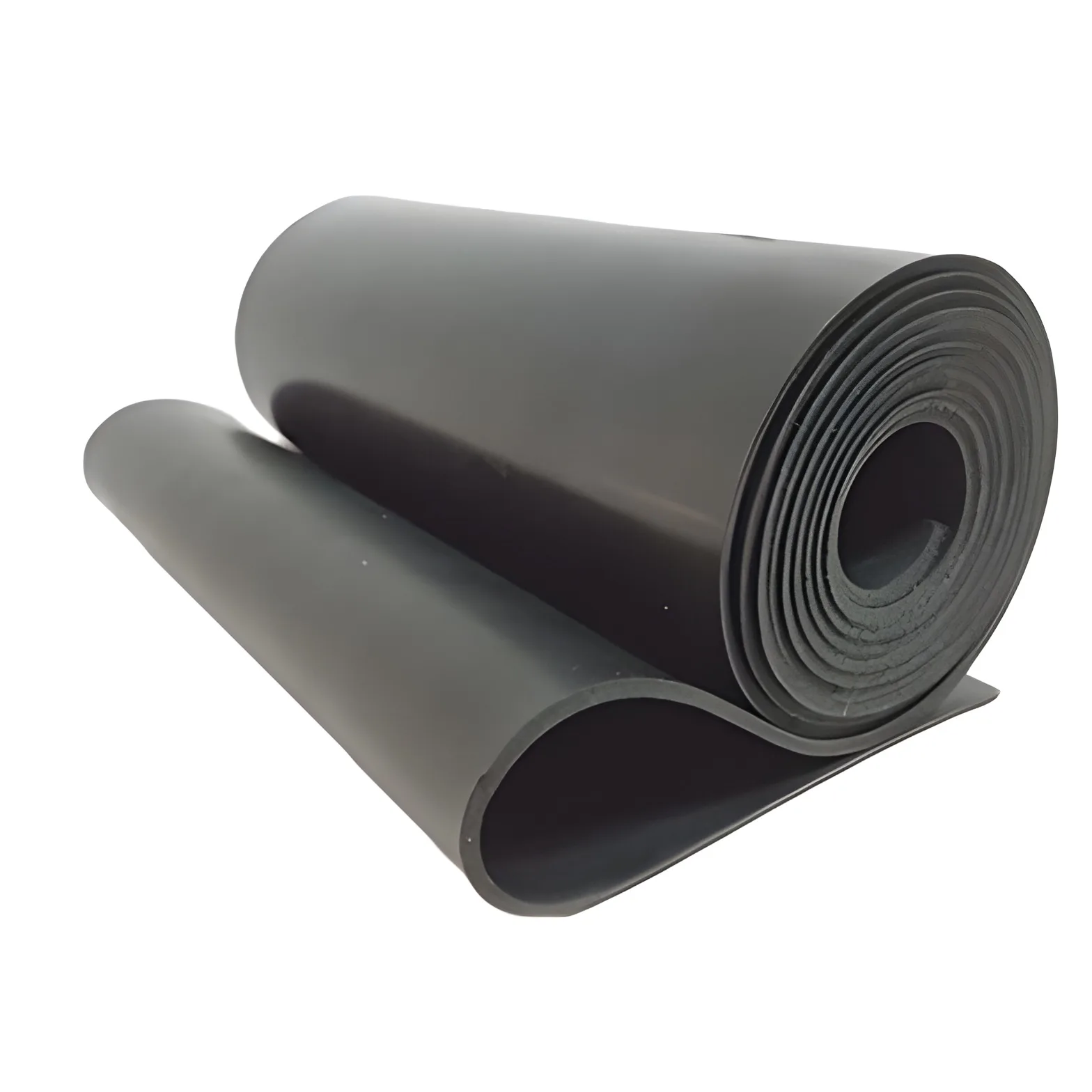
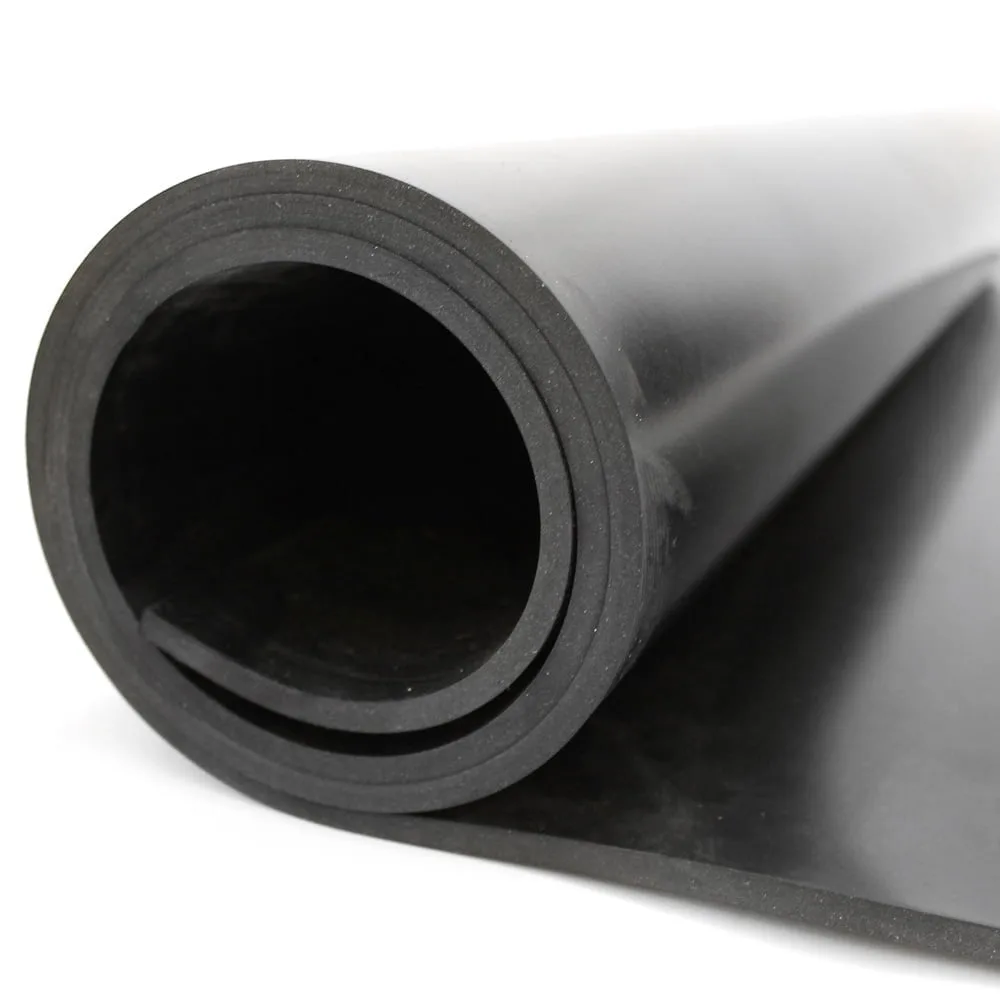
Fiber Reinforced Rubber Sheet

Fabric Reinforced Rubber Sheet (Insertion Sheet)

Rubber sheet with textile fabric plies vulcanised between the rubber layers. The plies carry the tension, which lets the sheet be used for higher-pressure gaskets, diaphragms and flexible connections where plain sheet would stretch.

Prices on request. Contact us for availability and quotations.

Description

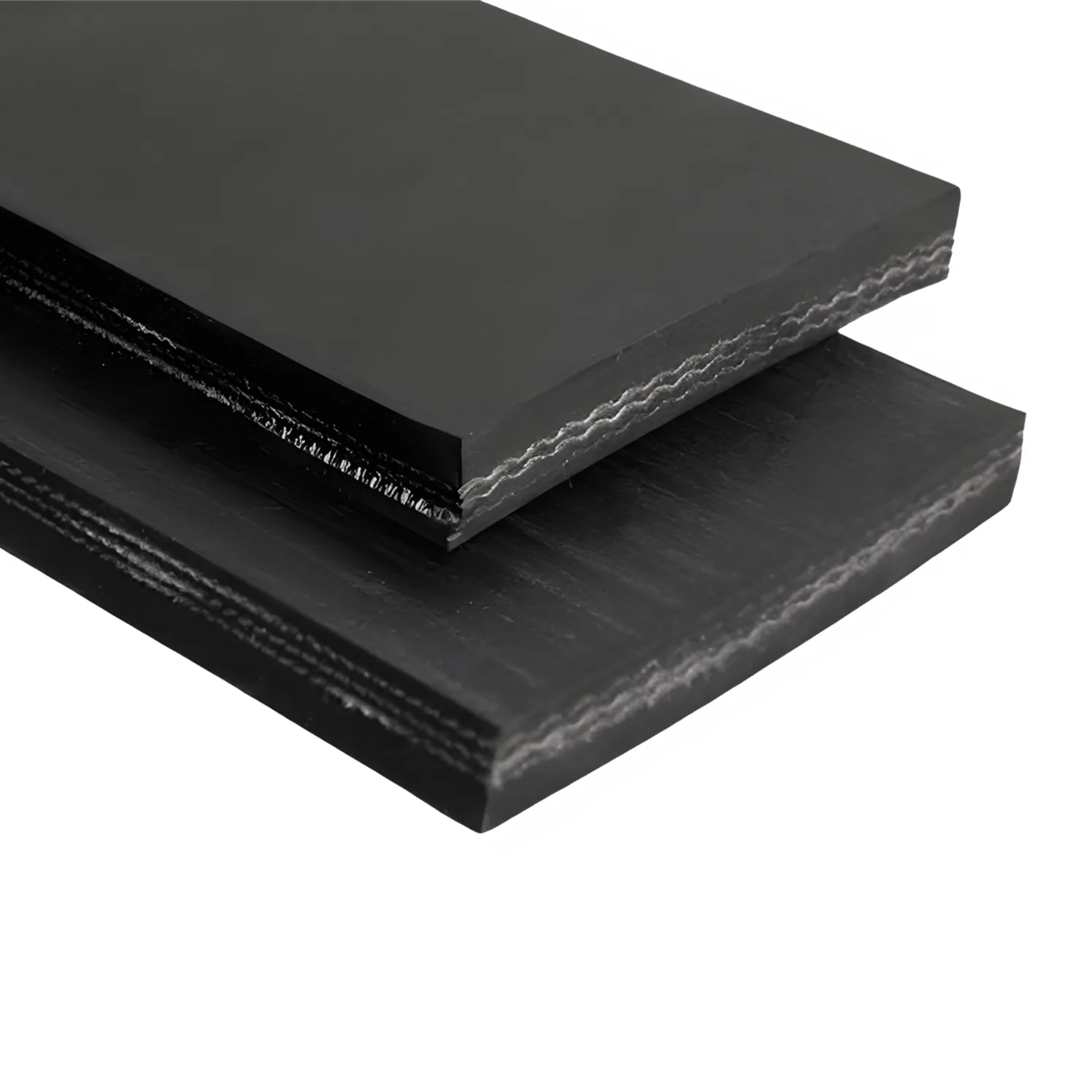
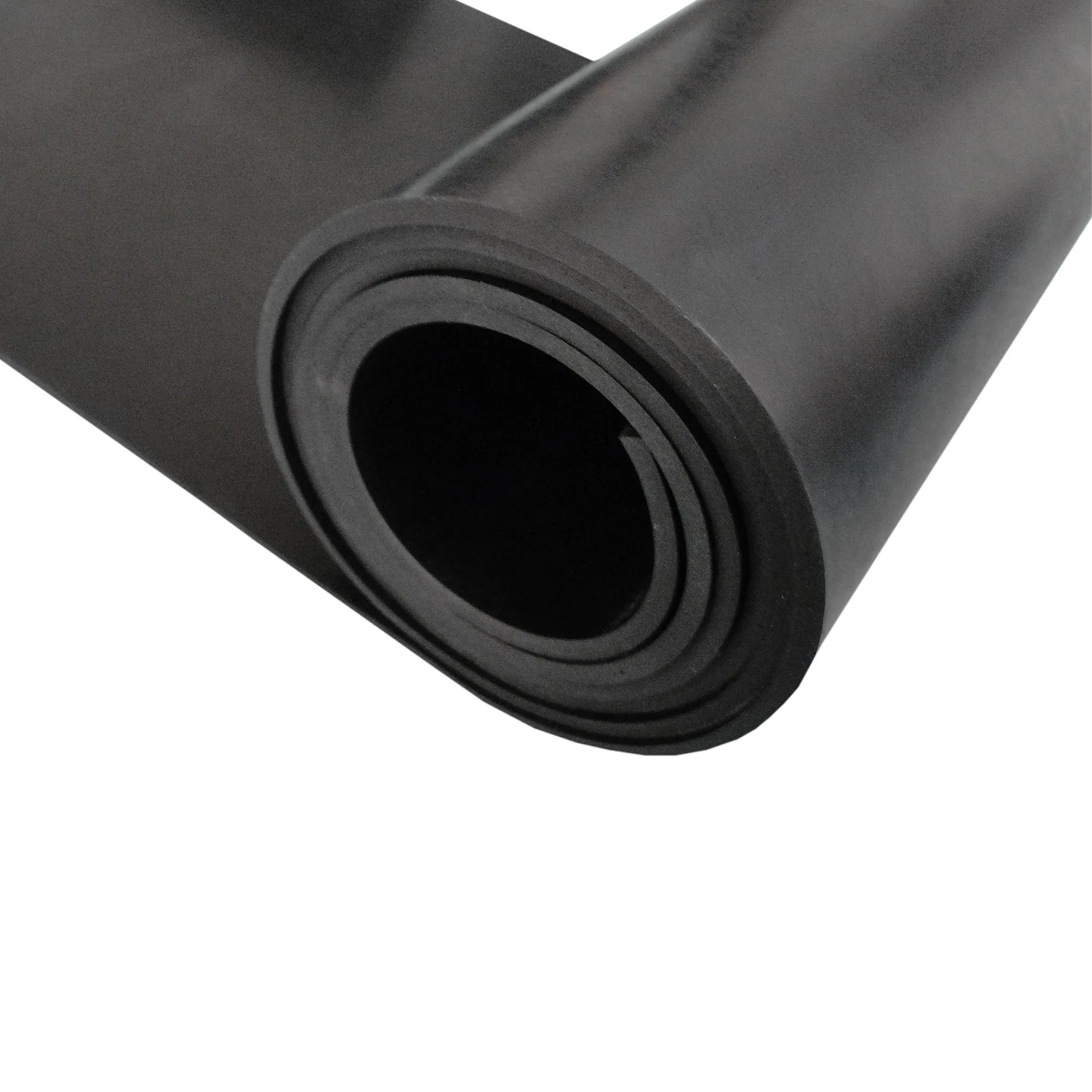
Insertion sheet is ordinary rubber sheet with one or more woven fabric plies vulcanised into it. The rubber does the sealing and the fabric carries the load, so the sheet resists stretching and blow-out under bolt load and line pressure in a way plain sheet does not. The sample photographed shows the plies clearly at the cut edge.

It is the usual material for flange gaskets on larger bores, for diaphragms, for flexible pipe connectors and expansion joint bodies, and for skirting and chute lining where a plain sheet would tear away from its fixings.

Two things decide the order and neither is a part number. First the elastomer, because the temperature and fluid resistance of the sheet are those of the rubber, not of the fabric: natural rubber -50 °C to +90 °C, chloroprene -25 °C to +120 °C, nitrile -30 °C to +130 °C on published sheeting data. Second the construction: the number of plies and the overall thickness. State both, together with the roll width.
Specifications

Construction Rubber sheet with woven textile plies vulcanised between the rubber layers (insertion sheet). Specify the number of plies and the overall thickness.
Temperature Range Set by the elastomer, not by the reinforcement. Published sheeting ranges: natural rubber -50 °C to +90 °C, chloroprene -25 °C to +120 °C, nitrile -30 °C to +130 °C. State the polymer required.
Polymer Designation NR, CR or NBR according to the elastomer specified
Sheet Width 1 metre
Thickness Range Stocked 2 mm to 10 mm
Supply Form Sold by the roll, made up to 50 kg. Every roll is 1 m wide, so its length falls as the thickness rises. State the thickness and the length or area needed.