Description
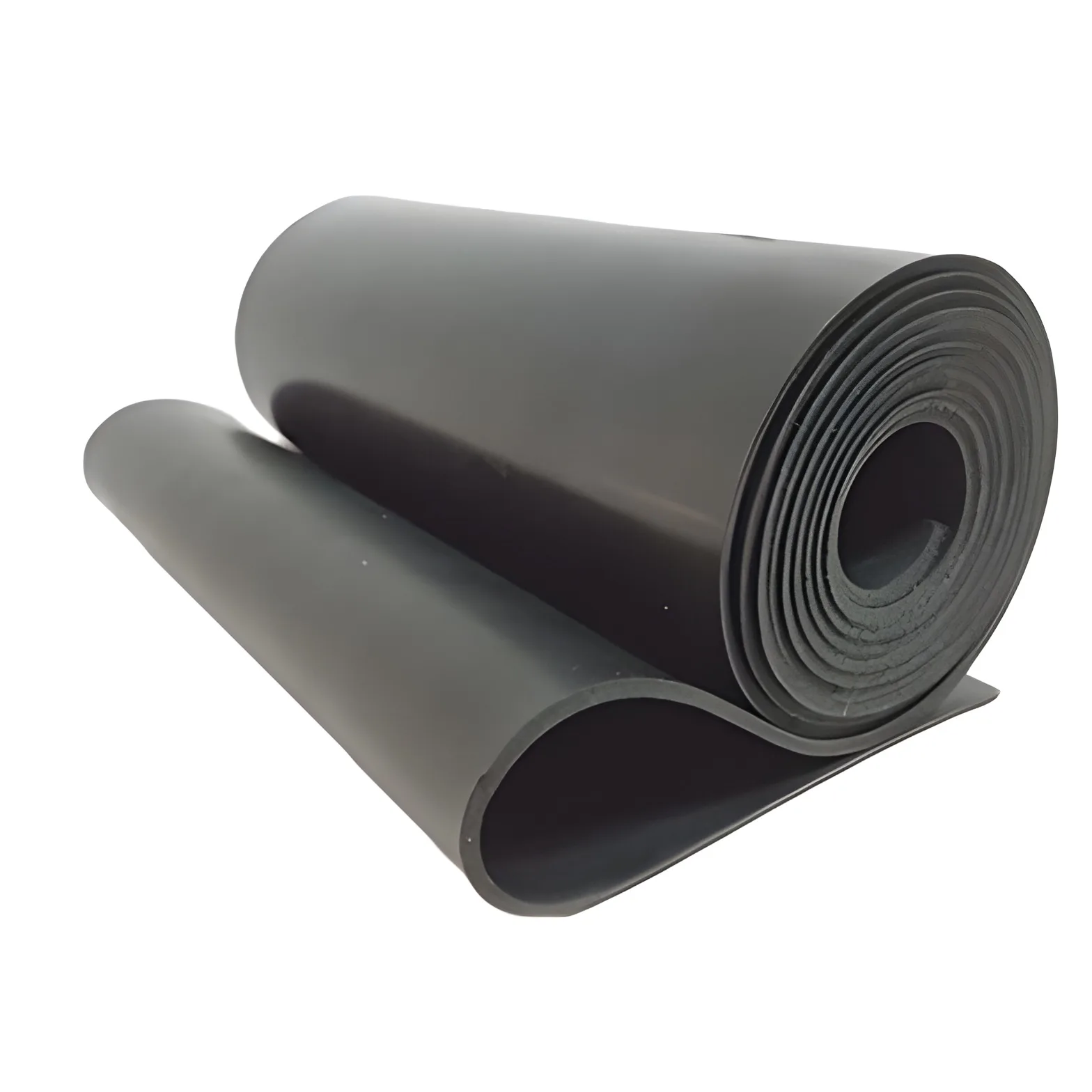
Neoprene is the general purpose sheet for work that has to survive outdoors. It resists heat, ozone and weathering better than natural rubber, holds up against inorganic chemicals apart from oxidising acids and halogens, and gives moderate resistance to aliphatic hydrocarbons - enough for incidental oil contact, though not a substitute for nitrile where oil is the working medium.
Typical uses are weather gaskets and flashings, expansion joint faces, vibration pads, insulating joints, duct and plant lagging, and protective coatings for surfaces in contact with oils and chemicals. Flame-retardant grades are made, which is why neoprene turns up in plant rooms and marine work.
Trelleborg publishes a service range of -25 °C to +120 °C for its CR sheeting; the polymer limits given in the Parker O-Ring Handbook are approximately -40 °C to +121 °C. Both are polymer figures and a specific compound may be narrower. Order by hardness in Shore A, thickness and roll width.