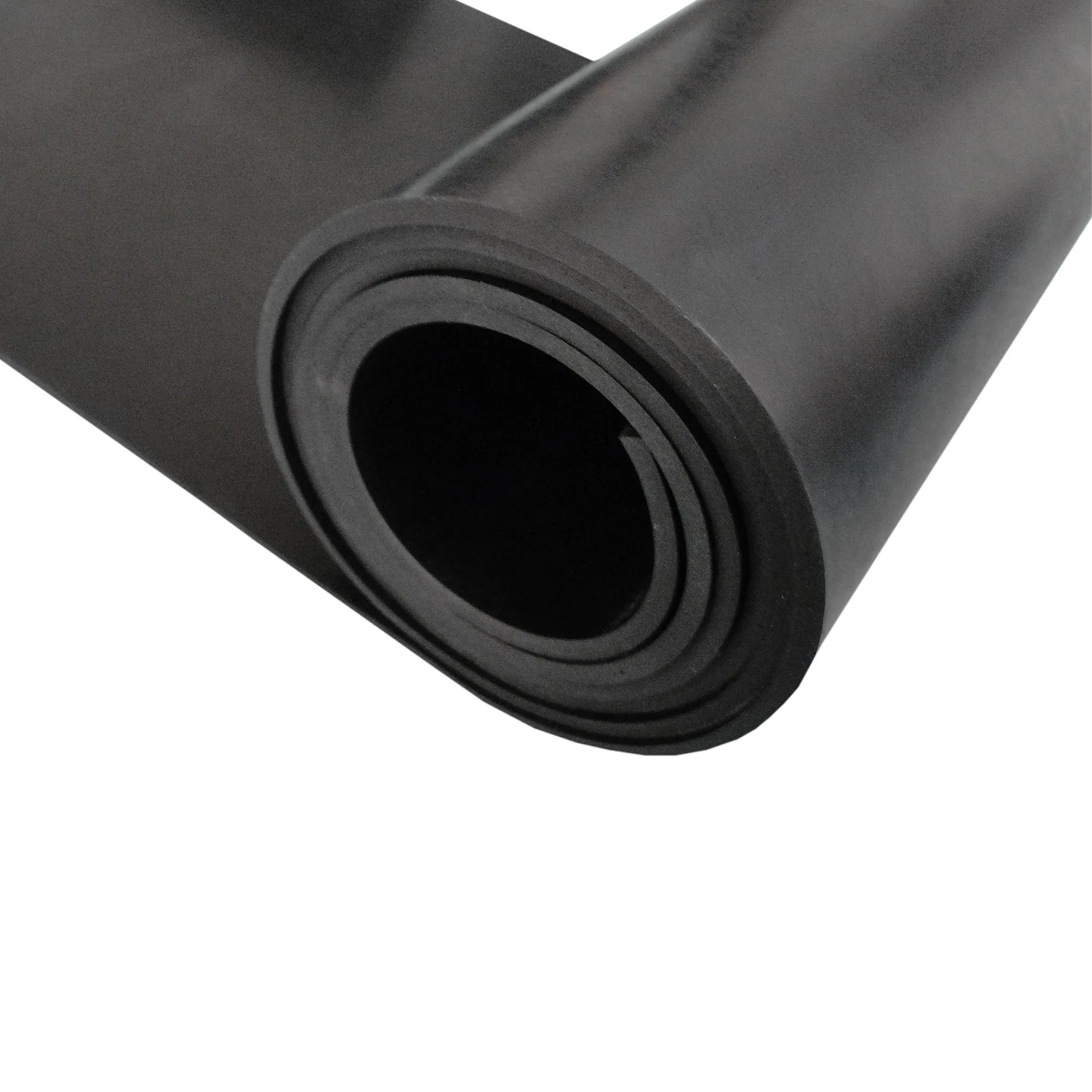
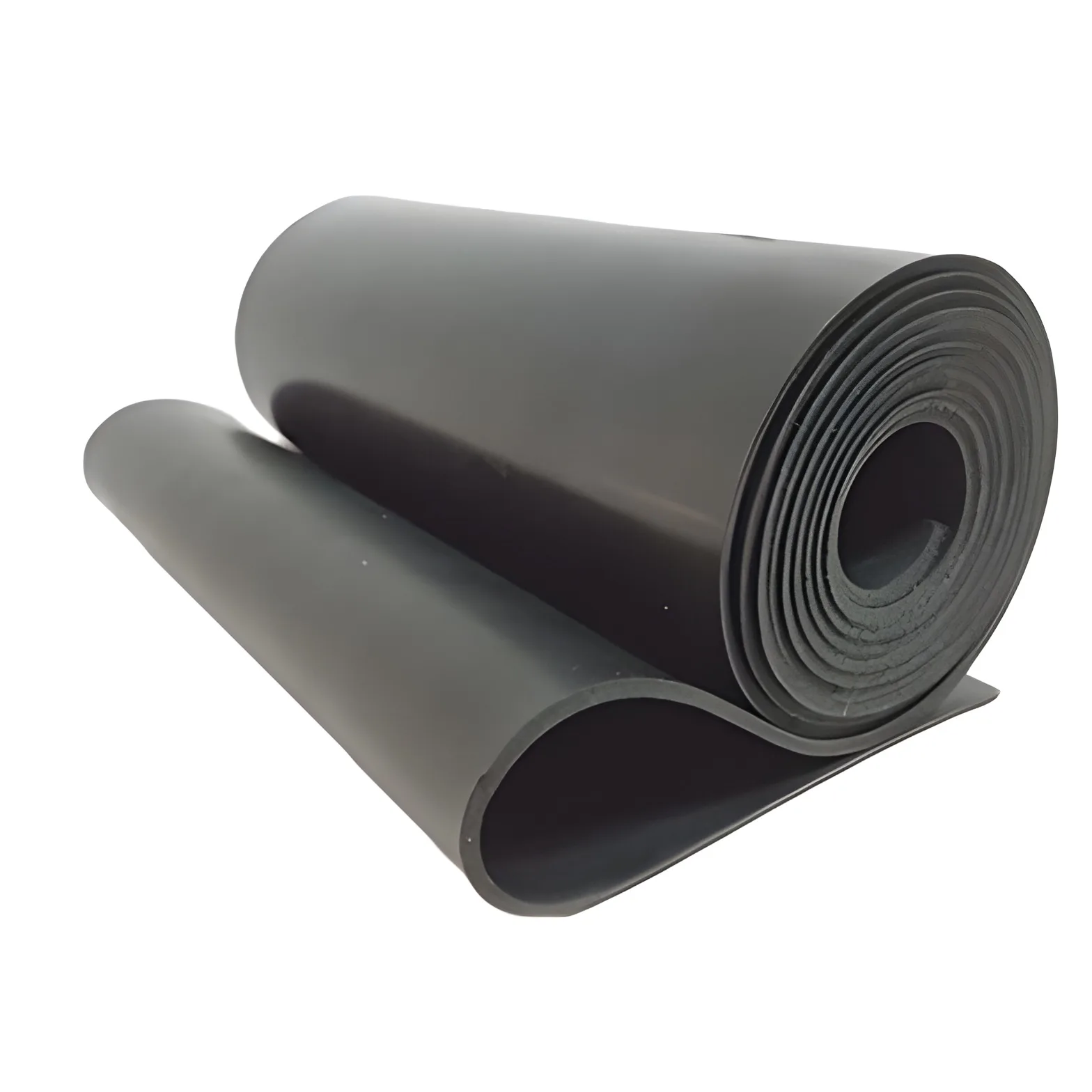
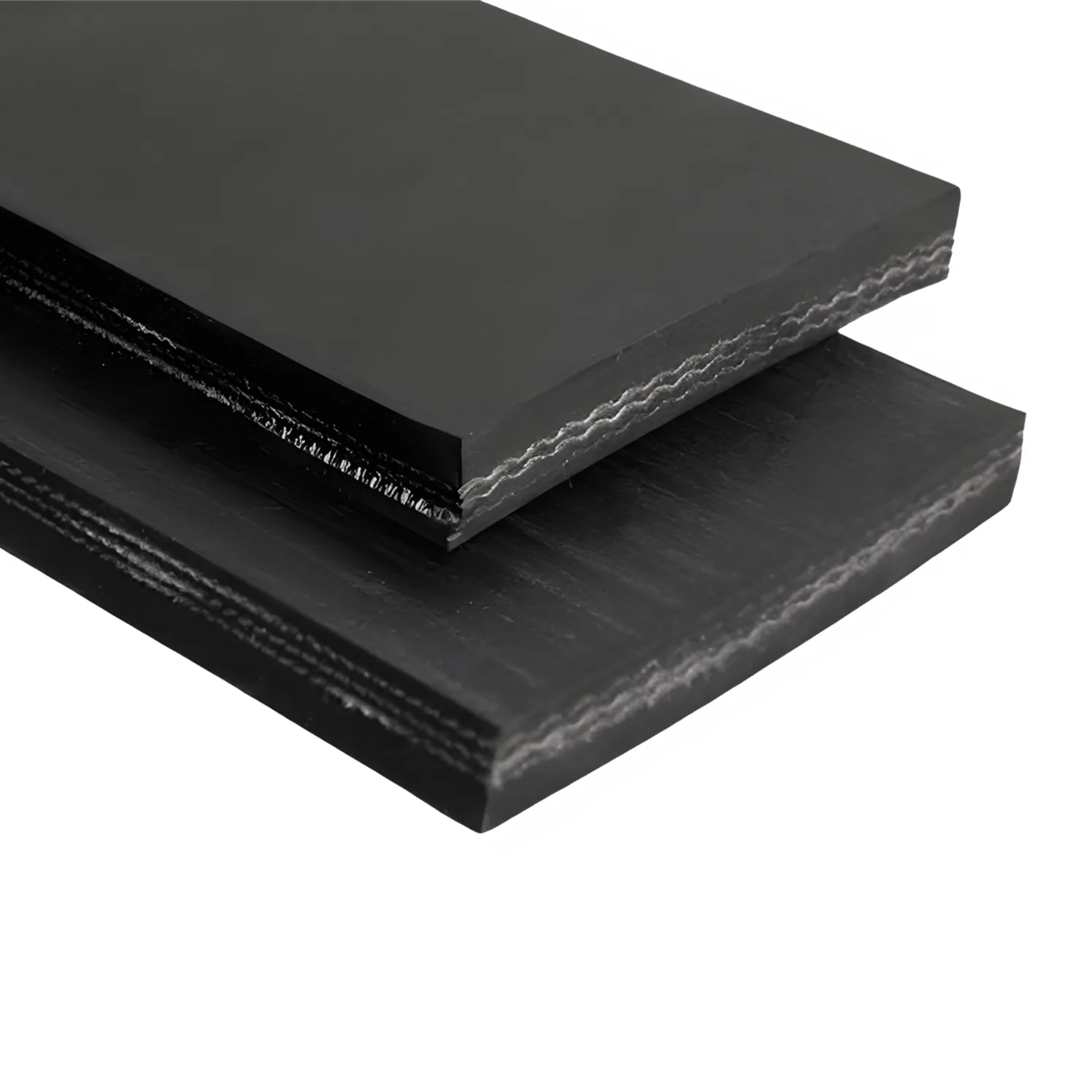
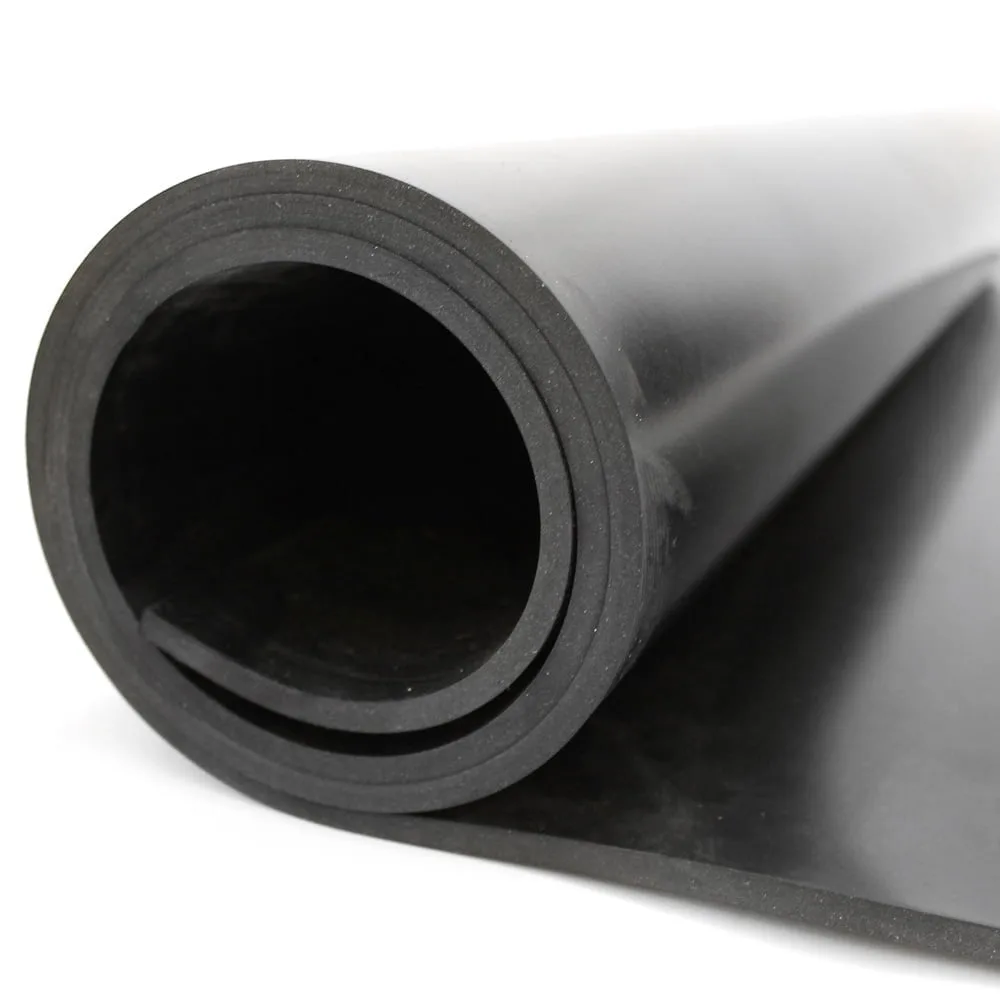
Description
Natural rubber sheeting is the material chosen where the duty is mechanical rather than chemical. It has the highest tear and abrasion resistance of the general purpose elastomers, together with high tensile strength, low compression set and high resilience, which is why it is used for chute and hopper lining, skirting, impact pads, gaskets on water service and protective matting.
It is not an oil-resistant material and it does not stand up to ozone, strong sunlight or long outdoor exposure. Where mineral oil, fuel or hydraulic fluid can reach the sheet, nitrile is the correct material instead, and where the sheet is exposed to weather and ozone, neoprene or EPDM is specified.
Sheeting is ordered by four things and none of them is a part number: the polymer, the hardness in Shore A, the thickness, and the roll width. Trelleborg publishes a hardness range of 35 to 80 Shore A for its NR/SBR sheeting and a service range of -50 °C to +90 °C for natural rubber; a particular compound may be narrower, so where the temperature matters ask for the compound data sheet.