Description
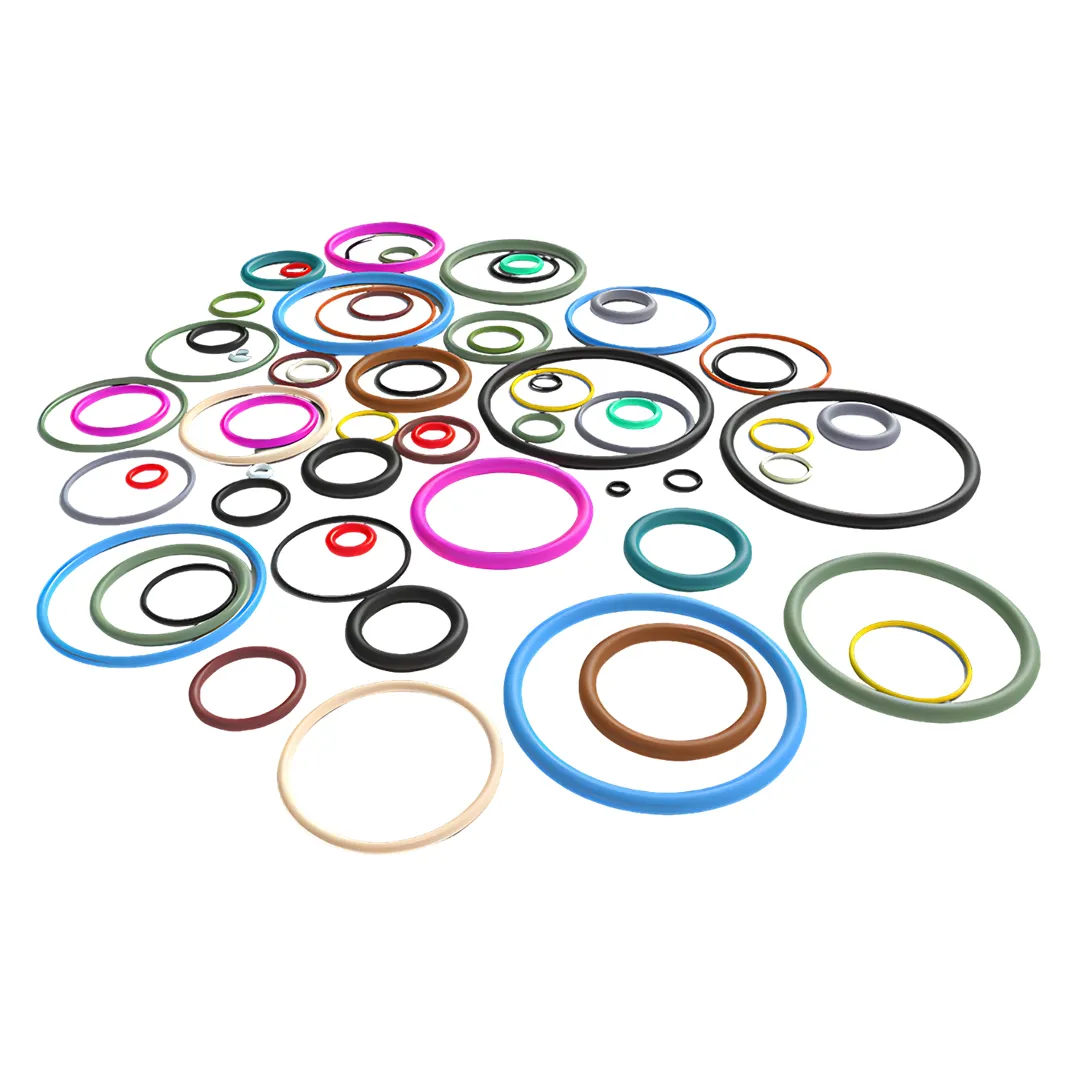
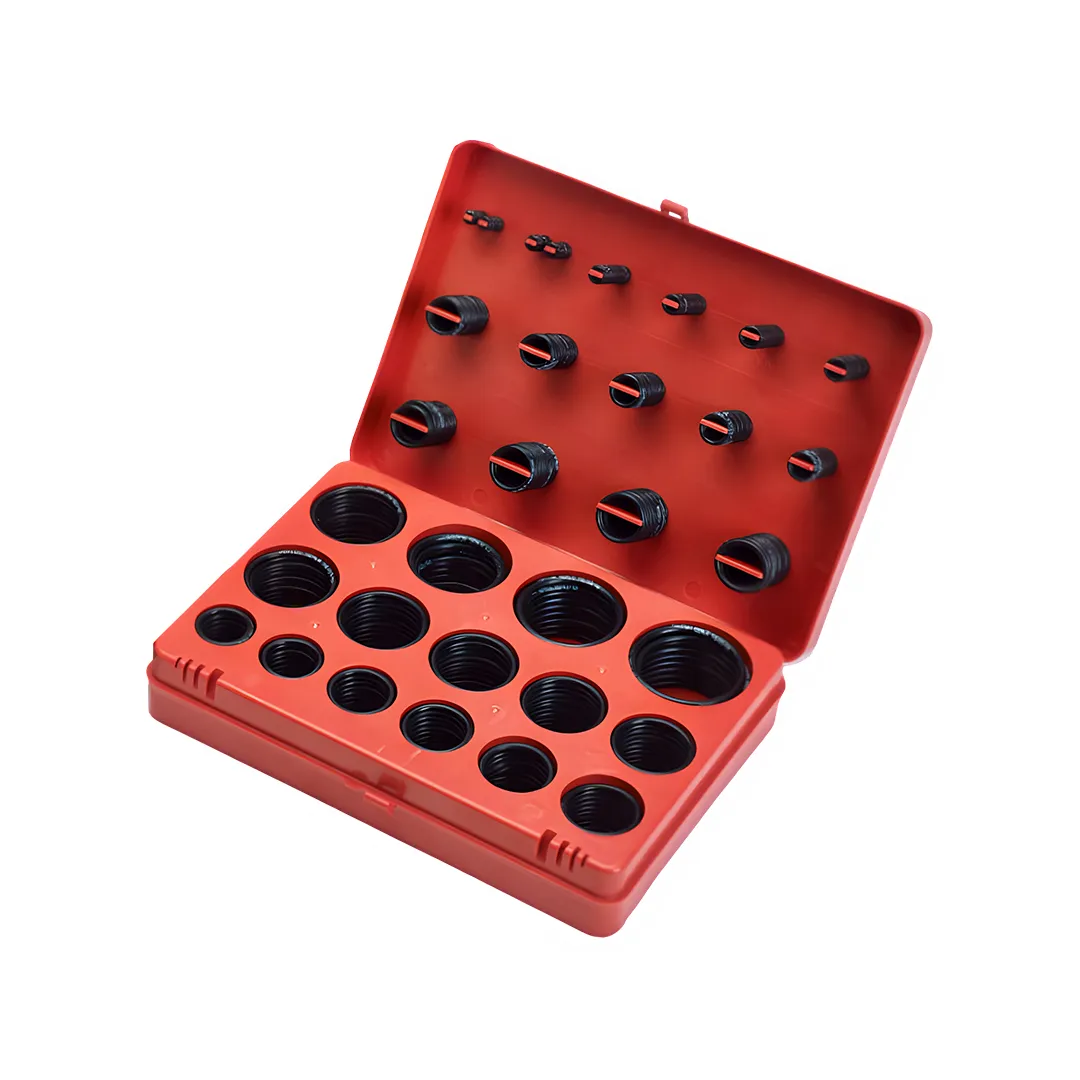
An o-ring seals by diametral squeeze in a rectangular gland: the ring is compressed on assembly, and system pressure then adds to the contact stress rather than working against it. The same part serves as a static face or bore seal and, at moderate speeds, as a dynamic seal on reciprocating rods and pistons.
Two size systems are in circulation and they are not rivals. ISO 3601-1:2012 restates the AS568 inch industrial series in millimetres using the same size codes: 001 to 003 cover the very small sections at 1,02 mm (0.040 in), 1,27 mm (0.050 in) and 1,52 mm (0.060 in), 004 to 050 run at 1,78 mm (0.070 in), 102 to 178 at 2,62 mm (0.103 in), 201 to 284 at 3,53 mm (0.139 in), 309 to 395 at 5,33 mm (0.210 in) and 425 to 475 at 6,99 mm (0.275 in). ISO 3601-1 also defines tolerance class A and class B and a full designation code of the form O-ring-ISO3601-1-125B-32,99x2,62-N.
The genuinely metric free sizes widely sold across the Gulf, such as 20 x 2,5 and 3 x 1,5, are not in the ISO 3601-1 standard tables; the standard handles them in clause 6.3 as non-standard (custom) sizes with tolerances from Annex A. There is no separate metric ISO 3601 series.
Compound selection decides service life more often than size does. Nitrile and fluoroelastomer suit mineral hydraulic oil; EPDM swells severely in mineral oil and must never be substituted for nitrile in a hydraulic circuit, but it is the correct choice for phosphate-ester fire-resistant fluid, steam and hot water. When ordering, state the size code or the actual inside diameter and cross-section in millimetres, the elastomer, the hardness in Shore A, and the fluid and temperature the seal will see.