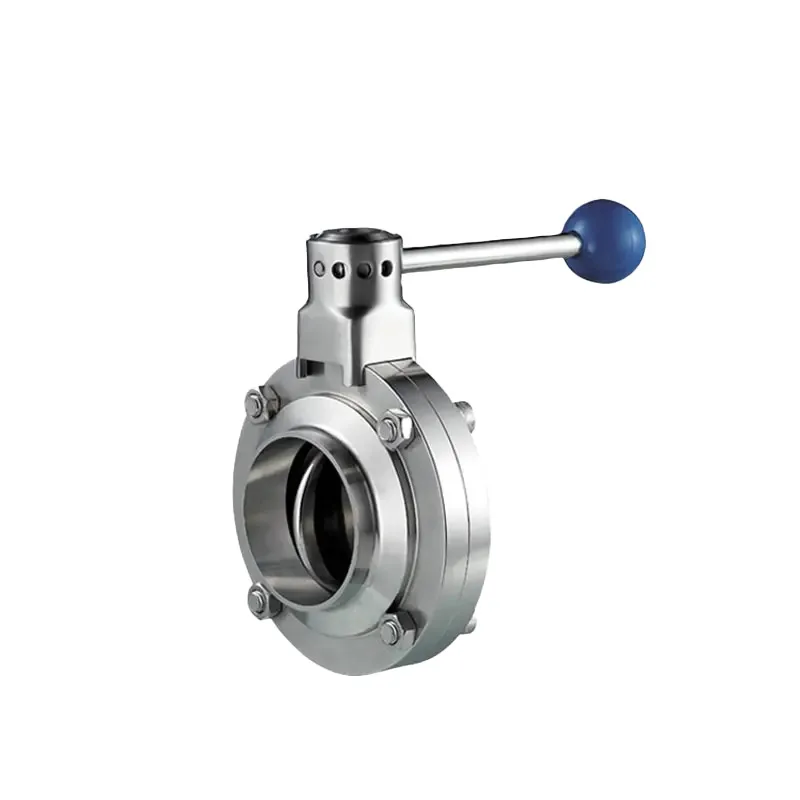
Description
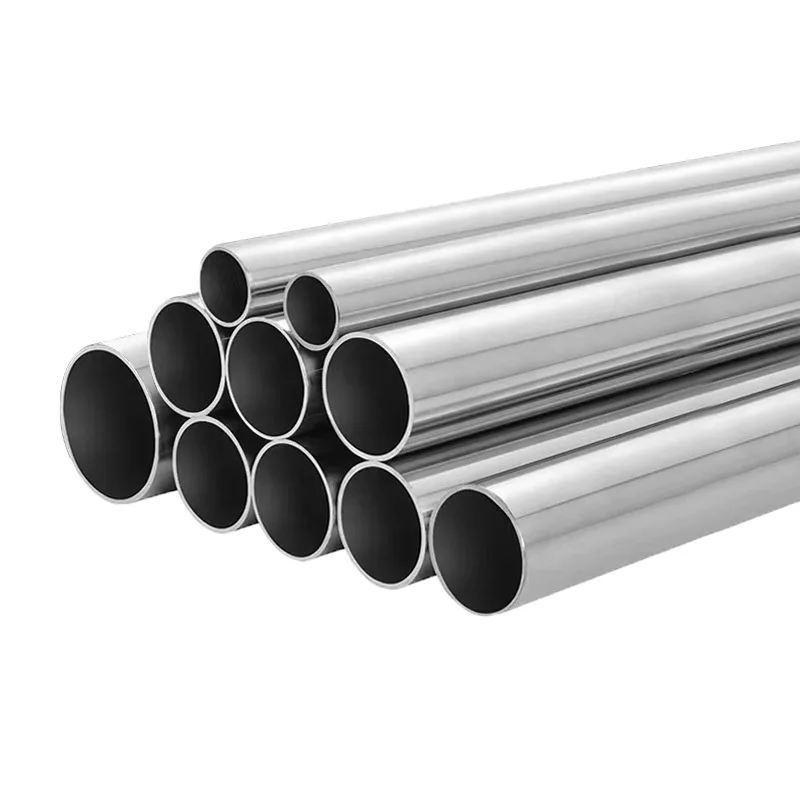
Hygienic pipework is built from tube, not from pipe schedules, and the tube standard is the first thing to settle because the fittings are cut for it. EN 10357-A, formerly DIN 11850 Reihe 2, runs from DN10 at 13 mm outside diameter to DN200 at 204 mm, and its DN label is neither the bore nor the outside diameter — DN25 is 29 mm outside diameter on a 26 mm bore. The ISO series, of which ISO 2037 is the food-industry form, names the tube by its actual outside diameter in millimetres. The SMS system uses inch labels sitting on metric outside diameters, so 1 inch is 25.0 mm and 2 inch is 51.0 mm, while ASME BPE inch tube is 25.40 mm and 50.80 mm. Those are different tubes and they do not interchange.
Tolerances are specified by class. ISO 1127 gives outside-diameter classes D1 to D4 — D4 is ±0.5 % with a minimum of ±0.1 mm — and wall classes T1 to T5, the outside-diameter tolerance including ovality and the wall tolerance including eccentricity. ISO 2037 pins food-industry tube at D4 up to 101.6 mm and D1 above it, with wall to T3. EN 10357-A holds outside diameter from ±0.10 mm at DN10 to ±1.53 mm at DN200 and wall to ±0.15 mm up to DN50.
Surface condition is a hygiene requirement, not a finish preference. ISO 2037 asks for Ra below 1.0 µm on finely finished surfaces, below 2.5 µm elsewhere, and Rmax not exceeding 16 µm on the weld seam; hygienic practice for internal surfaces is Ra 0.8 µm or better. Tube can be supplied pickled and passivated, bright annealed, or polished. Pickling and passivation restore the chromium-rich passive layer after fabrication — it is corrosion protection, not cleaning.
State the tube standard and size, the grade, the internal Ra, the surface condition and the length. In this market 316L (1.4404) is the sensible default for wetted lines because it carries molybdenum and resists chlorides from brine, salting and chlorinated CIP; 304/304L has none. Ask for the EN 10204 3.1 certificate at the order stage, not after delivery.