Description
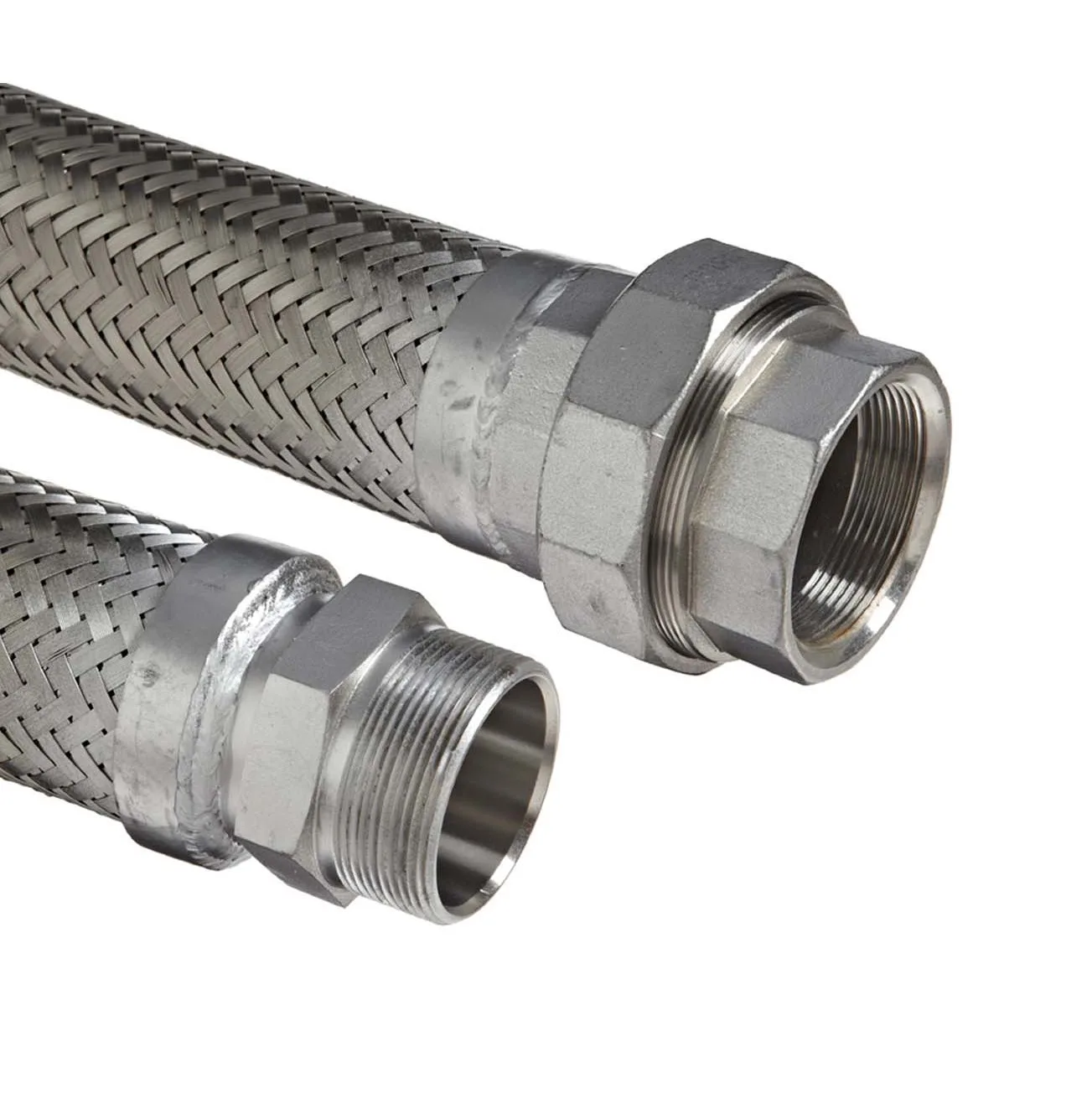
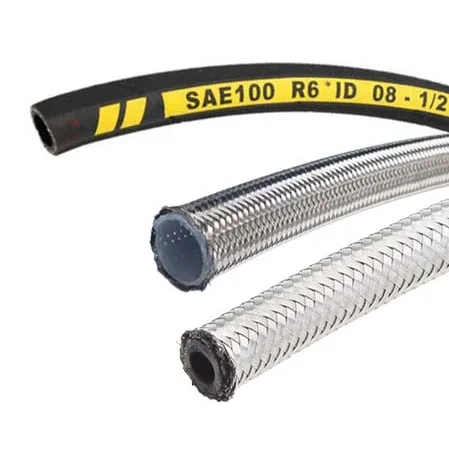
A stainless steel hose assembly is a corrugated metal core with a wire braid over it and end fittings permanently attached. The corrugations - helical or annular to the axis of the hose - provide the flexibility; the braid carries the longitudinal load that internal pressure applies to the corrugated core and stops it elongating. It is specified where an elastomeric hose will not survive, typically steam, thermal oil, cryogenic media, solvents, and pump, compressor or engine connections that have to absorb vibration or misalignment.
EN ISO 10380 is the base standard for these products and covers design, manufacture, testing and installation. It defines a corrugated metal hose as a pressure-tight hose made from tube or from strip and classifies each product by material, nominal size DN, maximum allowable pressure PS at 20 °C, bend radius and lifetime. Its type tests cover leaktightness, pressure resistance, elongation, burst pressure, pliability, fatigue and electrical conductivity.
Because the pressure rating is declared by the manufacturer per nominal size and is derated at elevated temperature rather than being fixed by the standard, no single pressure figure applies across the range - a DN20 assembly and a DN100 assembly in the same construction are rated very differently. The permitted materials are the stainless steels and nickel alloys of the specifications the standard references, and the end fittings are welded or brazed on; detachable hose-to-fitting connections are outside its scope.
When ordering, state the nominal size, the overall length, the live length needed for movement, both end connections, the medium, and the pressure and temperature at the hose. Say whether the movement is a fixed offset, an occasional adjustment or continuous flexing: a continuously flexing assembly is a different design with a different bend radius and a defined fatigue life.