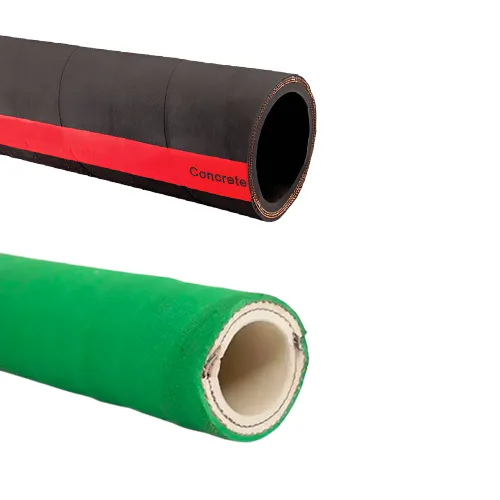
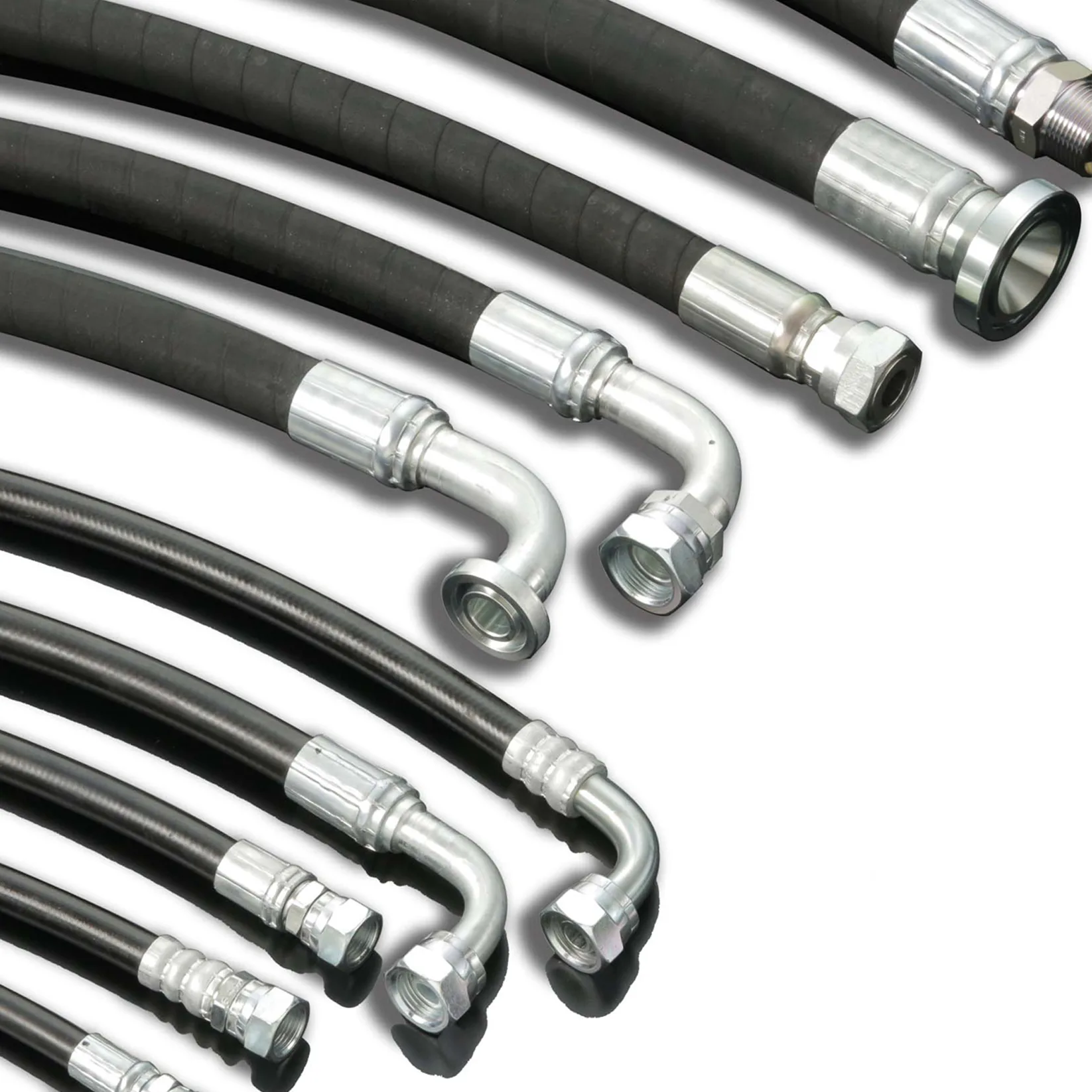
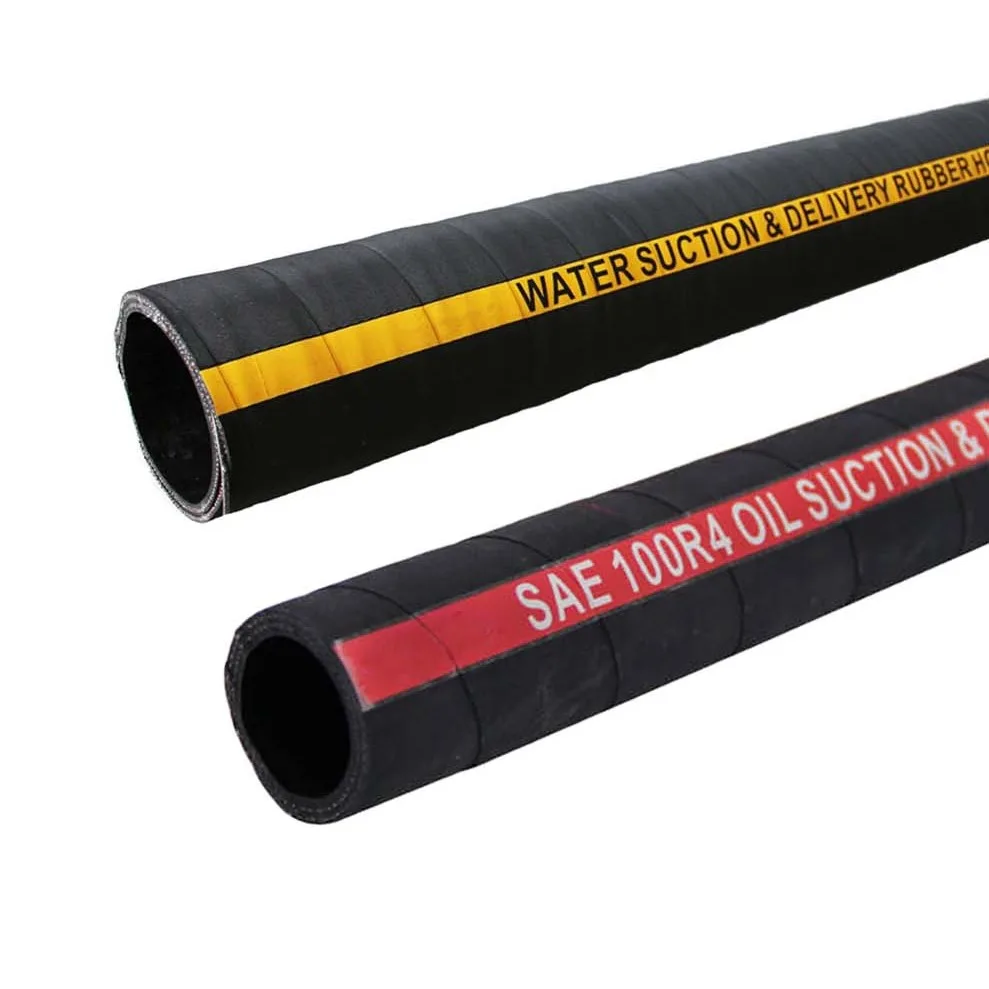
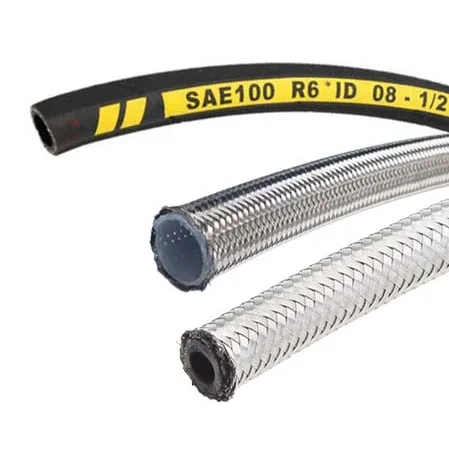
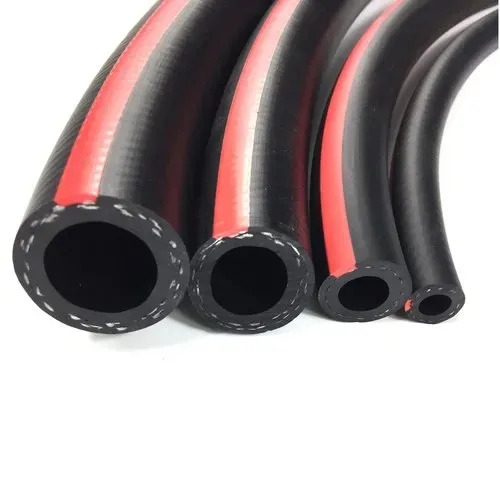
Bulk-materials hose and chemical hose are two different constructions sold under one heading. Cement, sand and gravel destroy an ordinary tube by abrasion, so the tube is a thick antistatic natural and styrene-butadiene rubber and the wall carries a steel helix for suction plus an antistatic copper wire to bleed the charge that conveying dry powder generates. Chemical hose fails by permeation and swelling instead, so the tube is selected against the medium - EPDM, EPR or PE-UHMW - and the hose is built and marked to EN 12115.
IVG Colbachini's cement and abrasives range is Volga: black, smooth, antistatic SBR/NR tube, high-strength synthetic cord with steel helix wire and antistatic copper wire, EPDM cover, 51 to 152 mm bore, 10 bar working and 30 bar burst, 0.8 to 0.9 bar vacuum, -30 to +70 °C, with an abrasion loss of 50 ± 5 mm³ measured to ISO 4649. Concrete placement is a different duty again and is served by Shannon 85 (85 bar, 51 to 125 mm) and the anti-whip end hose Avon (100 bar, 100 to 125 mm), both declared to ASME B30.27.
On the chemical side Everest EPDM is the hardwall, suction-capable hose: EPDM tube, high-strength synthetic cord plus steel helix wire, chemical-, abrasion-, weathering- and ozone-resistant EPDM cover, 19 to 102 mm bore, 16 bar working and 64 bar burst, 0.8 to 0.9 bar vacuum, -40 to +100 °C depending on the medium, compliant with EN 12115:2021, electrically conductive and tested for use in explosive atmospheres by the notified body INERIS. Orlando EPDM is the softwall, delivery-only equivalent; Supertop UPE substitutes a PE-UHMW liner for broader chemical resistance.
Chemical hose is selected from a resistance table against the specific medium, its concentration and its temperature, never by family name alone. State the medium and concentration, the temperature, the bore, the length, whether suction duty is required, and whether an electrically conductive hose is needed for the area classification.