Description
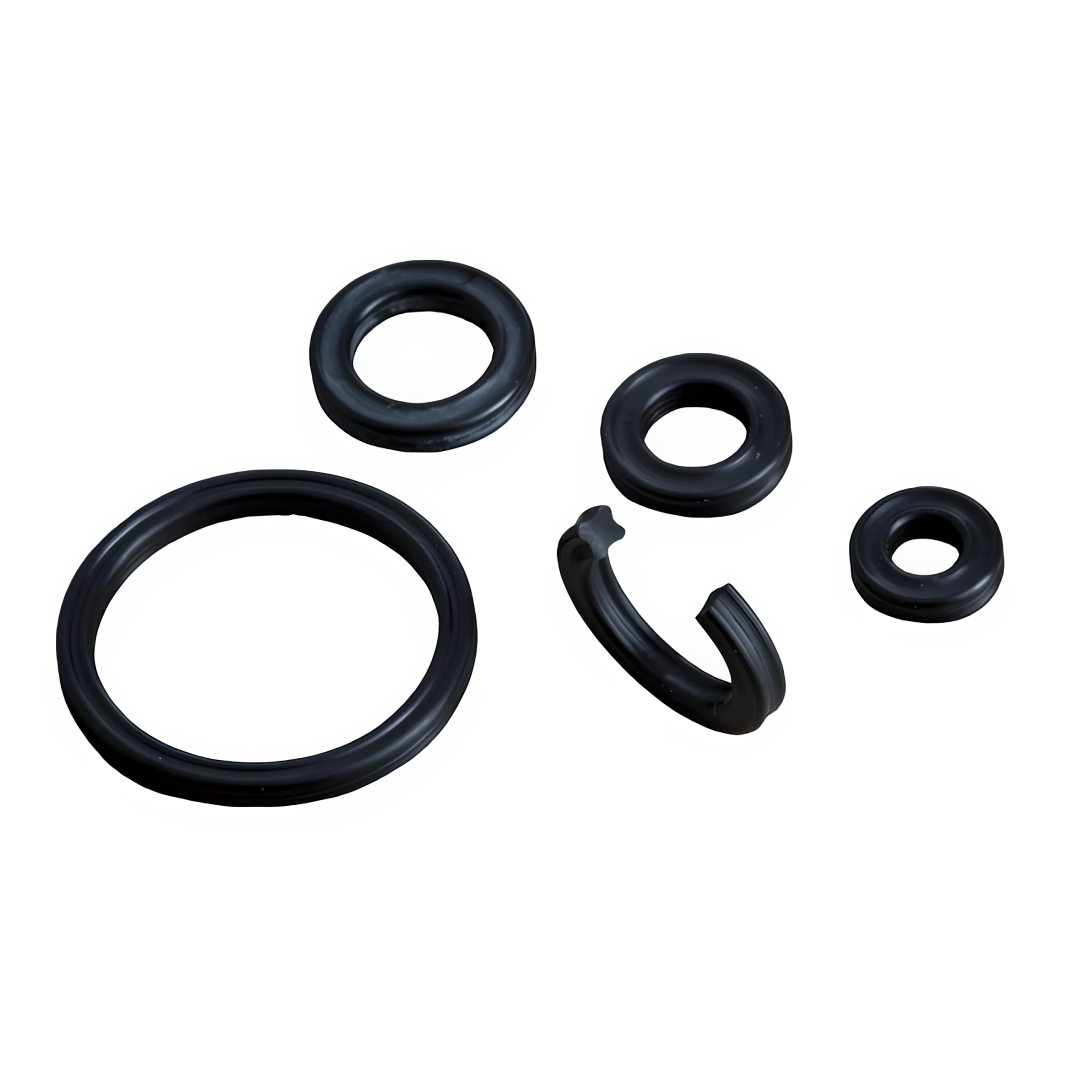
An X-ring, also sold as a quad ring, seals on the same principle as an O-ring - initial diametral squeeze, then pressure-energised contact - but its cross-section has four lobes instead of one round profile. Each side of the groove therefore carries two sealing lines rather than one, and the valleys between the lobes hold lubricant at the sealing interface.
The reason to specify one is reciprocating service. An O-ring in a slow reciprocating gland can slide at one part of its circumference and roll at another; the accumulated twist eventually tears the ring in a helical pattern, which is spiral failure. The four-lobe section engages the groove so that the ring slides rather than rolls, which is why an X-ring is the usual remedy where an O-ring has failed in a spiral, particularly at reciprocating speeds below about 0,3 m per minute and on low or balanced-pressure components.
X-ring grooves are cut deeper than the equivalent O-ring gland, so the ring seals at lower diametral squeeze and therefore with less friction and less wear. One consequence is practical: standard O-ring back-up rings do not fit an X-ring groove, and a back-up ring must be machined to the actual groove dimensions.
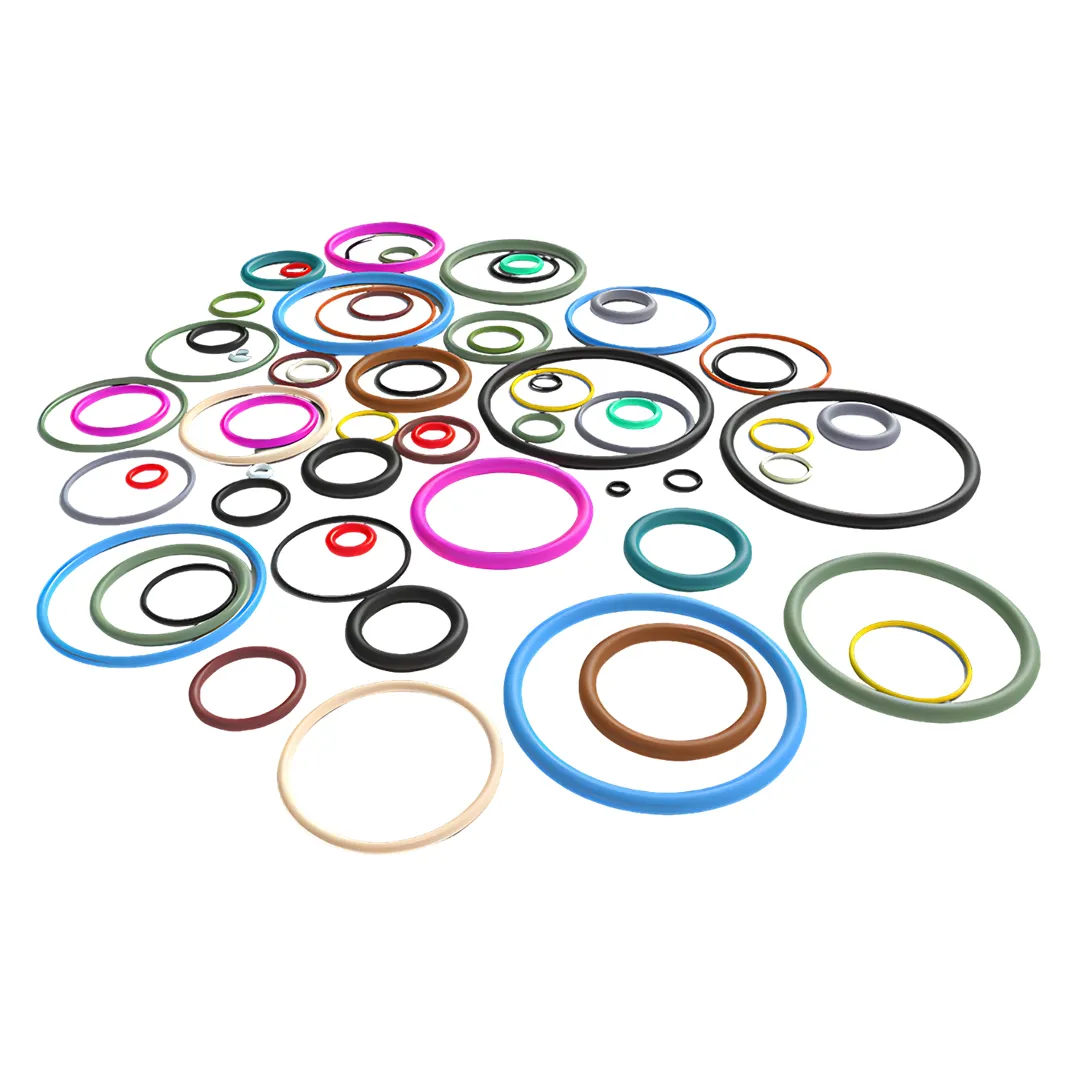
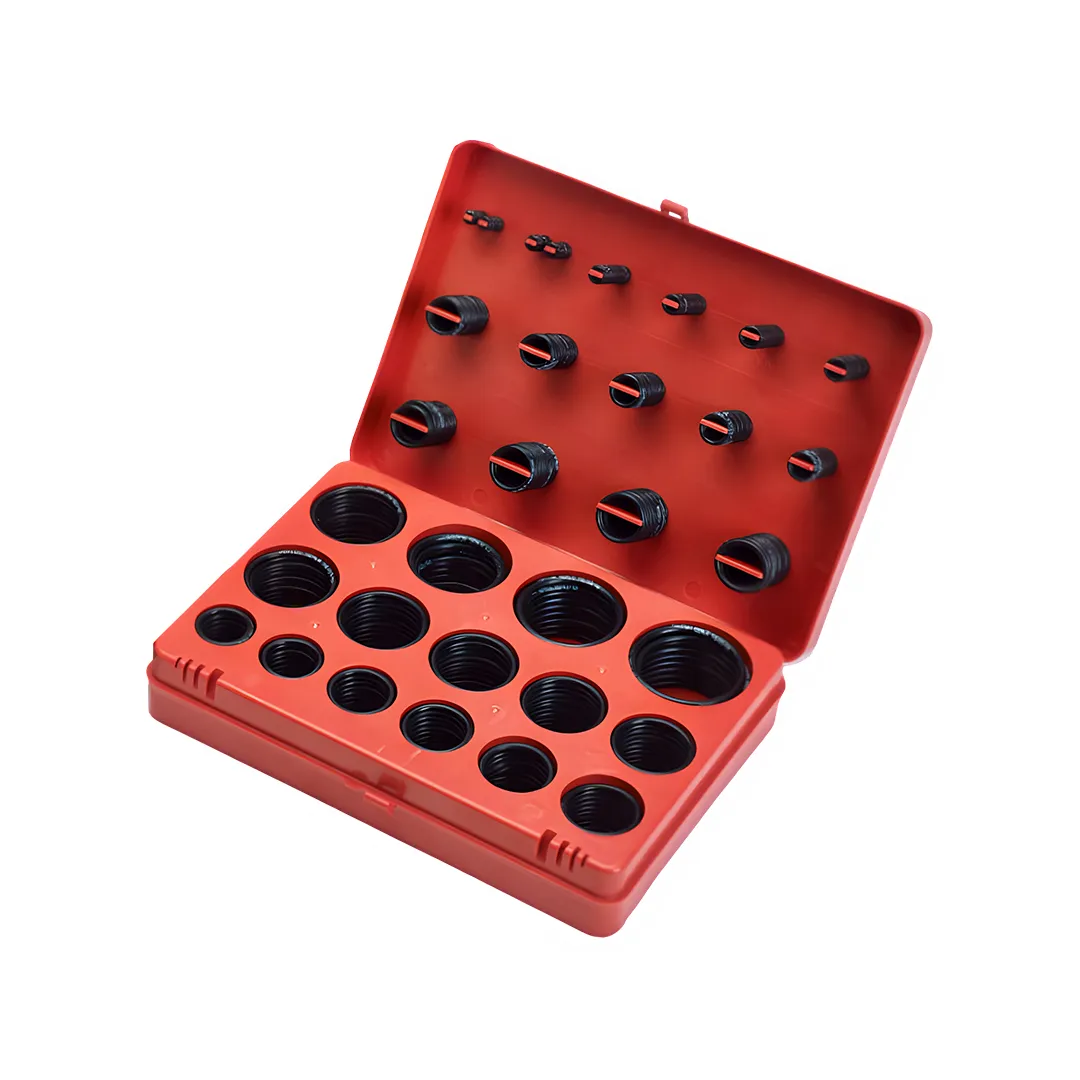
Sizes follow the AS568 dash numbers, so an X-ring is dimensionally the same as the corresponding O-ring; the trade convention is to prefix a 4 to the O-ring number when ordering. For dynamic duty, choose the largest cross-section the space allows, because a thicker ring absorbs more tolerance variation. State the AS568 number, the elastomer and the hardness, and confirm the groove depth before fitting.